Dream Note
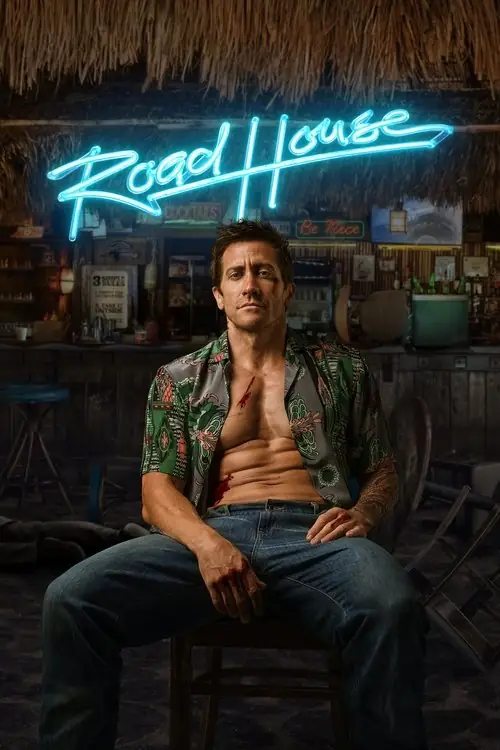
Ah yes, the Road House cinematic universe — because apparently what the world needed was another iteration of the story where a man with fists the size of holiday hams and a past more checkered than a picnic blanket at a Fourth of July cookout arrives at an establishment that desperately needs someone to explain the concept of customer service through the medium of face-punching. This time, Dalton — a former UFC fighter, because of course he is, regular bouncers are for establishments without cinematic ambitions — sets up shop at a roadhouse in the Florida Keys, and wouldn't you know it, paradise has a pest problem. The Florida Keys, for the uninitiated, are that chain of islands where the water is turquoise, the sunsets are Instagram-worthy, and apparently the local criminal element operates with the brazen confidence of a homeowner's association president who's just discovered someone parked an RV in violation of subsection fourteen, paragraph three. Dalton discovers that his tropical new gig comes with complications that make the octagon look like a gentle game of pattycake at a nursery school. The paradise facade peels away faster than a sunburn after a day without SPF, revealing a seedy underbelly that would make a noir detective reach for a stronger drink. What makes the Road House concept endlessly watchable isn't the plot, which is about as structurally complex as a tent peg. It's the specific pleasure of watching a competent man apply competence in a world full of incompetent people doing incompetent things. Dalton doesn't want trouble — he wants to pour drinks, maintain order, and maybe enjoy a sunset or two. But trouble finds him like a magnet finds iron filings, and when it does, the ensuing confrontations deliver the kind of visceral satisfaction that action cinema was invented to provide. The Florida Keys setting adds a layer of sun-drenched irony to every brutal exchange. Nothing says cognitive dissonance quite like watching someone get thrown through a table while palm trees sway gently in the background and Jimmy Buffett presumably weeps somewhere off-camera. It's dumb, it's fun, and it knows exactly what it is — a cocktail with two parts adrenaline, one part scenery, and a garnish of guilty pleasure.
Ah yes, the Road House cinematic universe — because apparently what the world needed was another iteration of the story where a man with fists the size of holiday hams and a past more checkered than a picnic blanket at a Fourth of July cookout arrives at an establishment that desperately needs someone to explain the concept of customer service through the medium of face-punching. This time, Dalton — a former UFC fighter, because of course he is, regular bouncers are for establishments without cinematic ambitions — sets up shop at a roadhouse in the Florida Keys, and wouldn't you know it, paradise has a pest problem. The Florida Keys, for the uninitiated, are that chain of islands where the water is turquoise, the sunsets are Instagram-worthy, and apparently the local criminal element operates with the brazen confidence of a homeowner's association president who's just discovered someone parked an RV in violation of subsection fourteen, paragraph three. Dalton discovers that his tropical new gig comes with complications that make the octagon look like a gentle game of pattycake at a nursery school. The paradise facade peels away faster than a sunburn after a day without SPF, revealing a seedy underbelly that would make a noir detective reach for a stronger drink. What makes the Road House concept endlessly watchable isn't the plot, which is about as structurally complex as a tent peg. It's the specific pleasure of watching a competent man apply competence in a world full of incompetent people doing incompetent things. Dalton doesn't want trouble — he wants to pour drinks, maintain order, and maybe enjoy a sunset or two. But trouble finds him like a magnet finds iron filings, and when it does, the ensuing confrontations deliver the kind of visceral satisfaction that action cinema was invented to provide. The Florida Keys setting adds a layer of sun-drenched irony to every brutal exchange. Nothing says cognitive dissonance quite like watching someone get thrown through a table while palm trees sway gently in the background and Jimmy Buffett presumably weeps somewhere off-camera. It's dumb, it's fun, and it knows exactly what it is — a cocktail with two parts adrenaline, one part scenery, and a garnish of guilty pleasure.
— Dreamer's log, recorded 1954 in the cloudsAdjacent Dreams in the Cloud
 Ruby Herring Mysteries: Her Last Breath
Ruby Herring is back, and she's doing that thing where she treats crime scenes like they're her personal…
Ruby Herring Mysteries: Her Last Breath
Ruby Herring is back, and she's doing that thing where she treats crime scenes like they're her personal…
 Governance
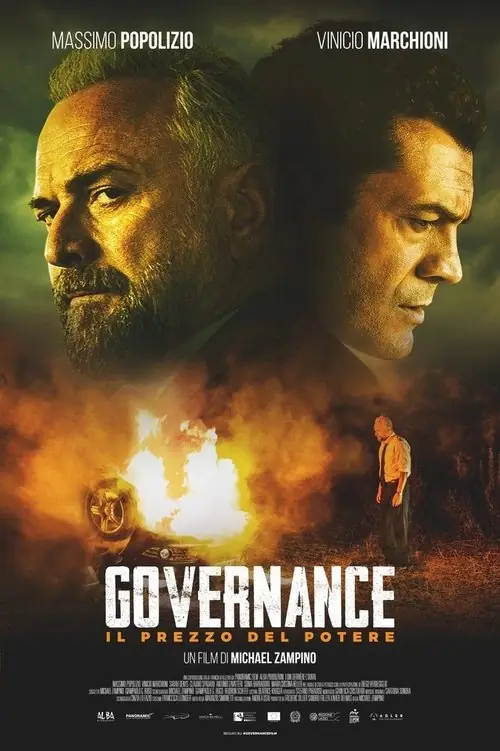
Renzo Petrucci is the corporate villain who refuses to stay down, and honestly, you kind of have to admire…
Governance
Renzo Petrucci is the corporate villain who refuses to stay down, and honestly, you kind of have to admire…
 It's Not Me, I Swear!
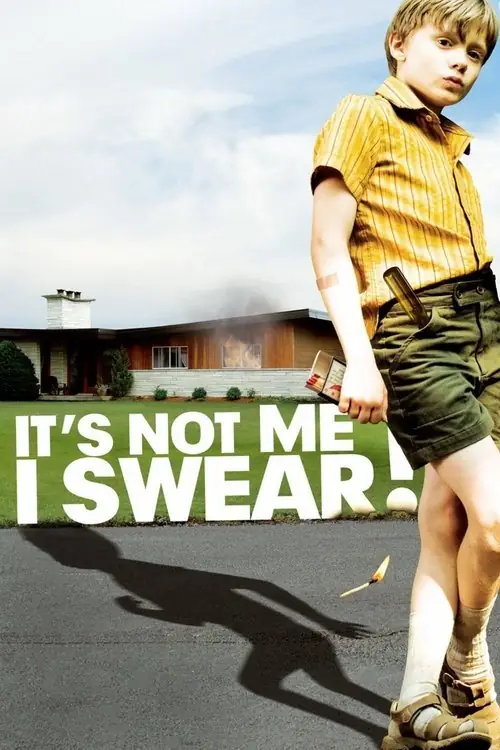
The summer of 1968 was already a historically chaotic moment—assassinations, protests, social upheaval—but…
It's Not Me, I Swear!
The summer of 1968 was already a historically chaotic moment—assassinations, protests, social upheaval—but…
 Iron Man
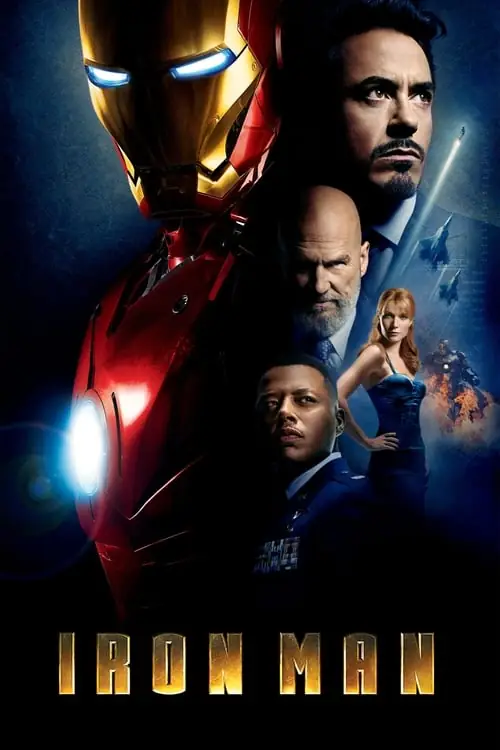
Let me tell you about the most expensive therapy session in cinematic history. A guy who could buy several…
Iron Man
Let me tell you about the most expensive therapy session in cinematic history. A guy who could buy several…