Dream Note
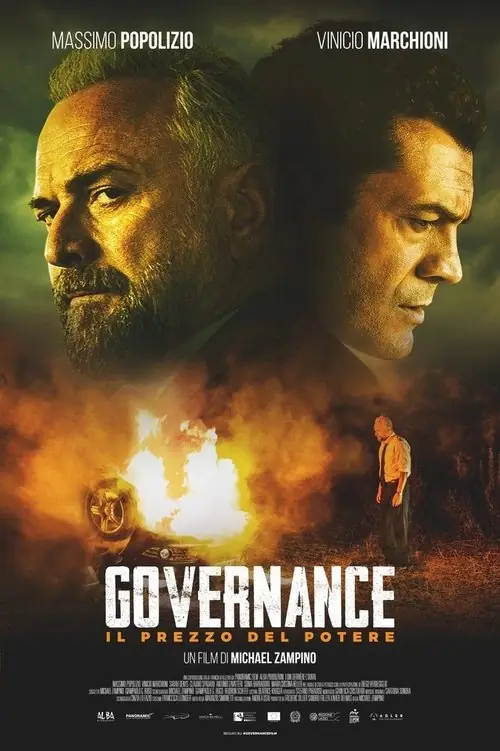
Renzo Petrucci is the corporate villain who refuses to stay down, and honestly, you kind of have to admire the persistence even as you're horrified by the methods. Picture this: our man gets ousted from his gig running a multinational oil company because of corruption charges—which, fair enough, that's generally how these things work. But Renzo doesn't slink off into retirement like a normal disgraced executive. No, he convinces himself that his successor, a woman who presumably earned the position through some combination of competence and not being under investigation, actually betrayed him. The logical response, obviously, is murder. That's like getting fired from Starbucks and deciding the solution is to eliminate the new barista. The board, in a move that suggests their due diligence process consists of throwing darts at a board while blindfolded, reinstates Renzo. Let that sink in. They brought back a man who was removed for corruption and then added homicide to his resume. That's not a hiring decision; that's a hostage situation. Renzo then proceeds to climb the corporate ladder with the single-minded intensity of someone who views ethics the way most people view terms and conditions agreements—something you scroll past without reading. The film follows his ascent as he drives the company to unprecedented success, because apparently crime does pay, at least in the short term. But suspicion and distrust follow him around like a shadow at noon, and you can feel the walls slowly closing in with the inevitability of a Shakespearean tragedy cosplaying as a quarterly earnings report. It's a darkly satirical look at corporate governance that will make you side-eye every CEO who seems a little too successful. The movie asks the uncomfortable question: what if the people running the world's most powerful companies are actually the last people who should be allowed near power? The answer, it turns out, is deeply unsettling and completely gripping.
Renzo Petrucci is the corporate villain who refuses to stay down, and honestly, you kind of have to admire the persistence even as you're horrified by the methods. Picture this: our man gets ousted from his gig running a multinational oil company because of corruption charges—which, fair enough, that's generally how these things work. But Renzo doesn't slink off into retirement like a normal disgraced executive. No, he convinces himself that his successor, a woman who presumably earned the position through some combination of competence and not being under investigation, actually betrayed him. The logical response, obviously, is murder. That's like getting fired from Starbucks and deciding the solution is to eliminate the new barista. The board, in a move that suggests their due diligence process consists of throwing darts at a board while blindfolded, reinstates Renzo. Let that sink in. They brought back a man who was removed for corruption and then added homicide to his resume. That's not a hiring decision; that's a hostage situation. Renzo then proceeds to climb the corporate ladder with the single-minded intensity of someone who views ethics the way most people view terms and conditions agreements—something you scroll past without reading. The film follows his ascent as he drives the company to unprecedented success, because apparently crime does pay, at least in the short term. But suspicion and distrust follow him around like a shadow at noon, and you can feel the walls slowly closing in with the inevitability of a Shakespearean tragedy cosplaying as a quarterly earnings report. It's a darkly satirical look at corporate governance that will make you side-eye every CEO who seems a little too successful. The movie asks the uncomfortable question: what if the people running the world's most powerful companies are actually the last people who should be allowed near power? The answer, it turns out, is deeply unsettling and completely gripping.
— Dreamer's log, recorded 1936 in the cloudsAdjacent Dreams in the Cloud
 Ruby Herring Mysteries: Her Last Breath
Ruby Herring is back, and she's doing that thing where she treats crime scenes like they're her personal…
Ruby Herring Mysteries: Her Last Breath
Ruby Herring is back, and she's doing that thing where she treats crime scenes like they're her personal…
 It's Not Me, I Swear!
The summer of 1968 was already a historically chaotic moment—assassinations, protests, social upheaval—but…
It's Not Me, I Swear!
The summer of 1968 was already a historically chaotic moment—assassinations, protests, social upheaval—but…
 Iron Man
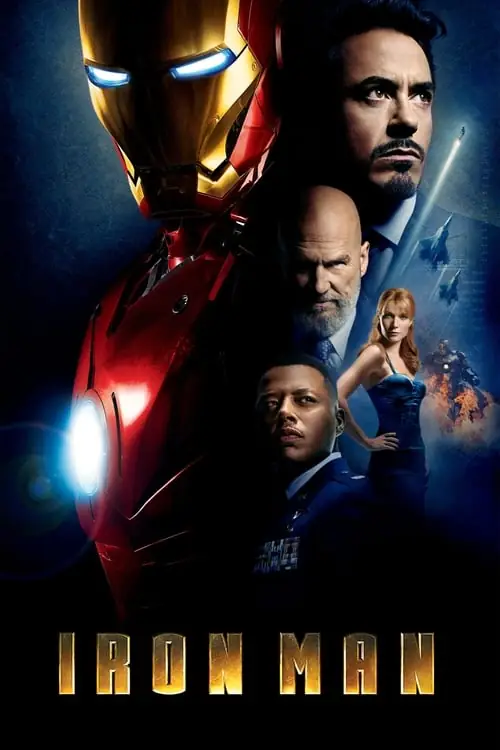
Let me tell you about the most expensive therapy session in cinematic history. A guy who could buy several…
Iron Man
Let me tell you about the most expensive therapy session in cinematic history. A guy who could buy several…
 Deadline - U.S.A.
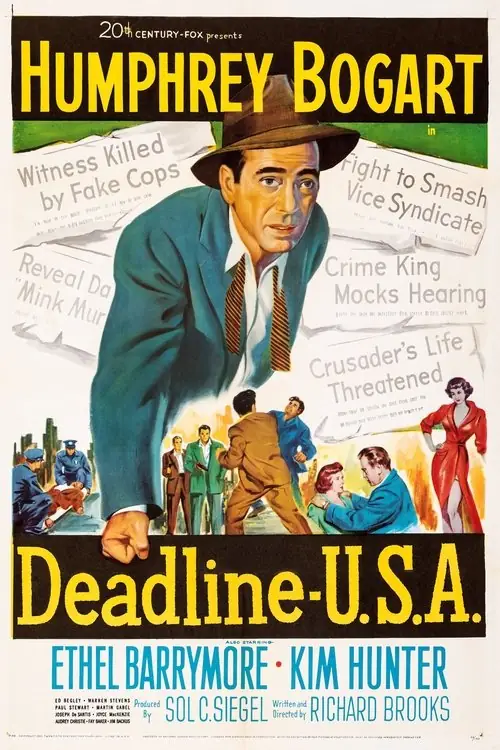
Imagine you're a journalist — not the kind who live-tweets award shows, but the real-deal, ink-stained,…
Deadline - U.S.A.
Imagine you're a journalist — not the kind who live-tweets award shows, but the real-deal, ink-stained,…