Dream Note
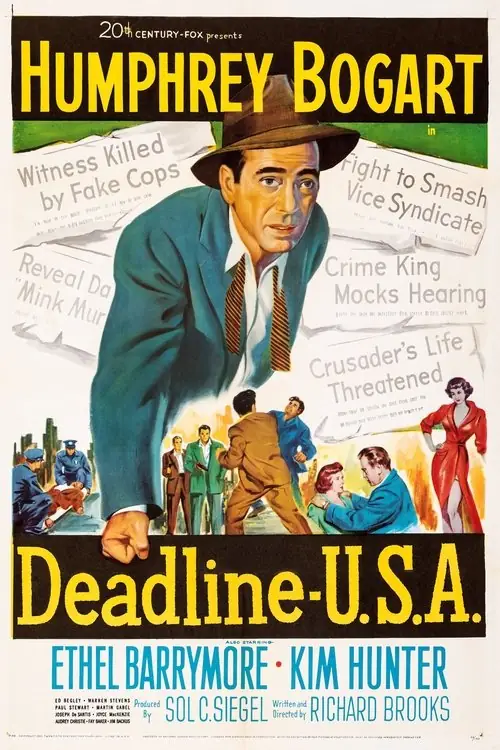
Imagine you're a journalist — not the kind who live-tweets award shows, but the real-deal, ink-stained, truth-seeking variety — and you've just received the worst news short of a medical diagnosis: your newspaper, the very vessel through which you've devoted your career to exposing corruption and comforting the afflicted, is about to fold. Not metaphorically fold like a bad poker hand, but literally cease to exist. Three days. Seventy-two hours. That's the countdown on the institution you've poured your soul into, and most rational people would start boxing up their desks and updating their LinkedIn profiles. But our protagonist is not most people. He's a crusading editor with the kind of journalistic fire in his belly that makes him incapable of going quietly into that good night. Instead of a dignified farewell, he decides to go out with both barrels blazing, targeting a vicious crime lord who has probably assumed, given the paper's imminent demise, that he's in the clear. Think again, mobster buddy. This ink-stained warrior of truth is about to use his final editions like a series of rhetorical cruise missiles, and the gangster's assumption that a dying publication can't hurt him is about to be spectacularly disproven. The tension is delicious — a man with nothing to lose wielding the most powerful weapon in democracy's arsenal against someone who thought he'd already won. What makes this picture resonate across the decades is its understanding that journalism isn't merely a profession but a sacred covenant between the informed and the informers. Every deadline becomes a literal ticking clock, every editorial decision carries the weight of potential consequences, and the printer's ink flows alongside the sweat of a man who refuses to let truth die just because his platform is on life support. It's a love letter to the Fourth Estate written in the language of noir, and it hits harder today than it did when fresh off the press.
Imagine you're a journalist — not the kind who live-tweets award shows, but the real-deal, ink-stained, truth-seeking variety — and you've just received the worst news short of a medical diagnosis: your newspaper, the very vessel through which you've devoted your career to exposing corruption and comforting the afflicted, is about to fold. Not metaphorically fold like a bad poker hand, but literally cease to exist. Three days. Seventy-two hours. That's the countdown on the institution you've poured your soul into, and most rational people would start boxing up their desks and updating their LinkedIn profiles. But our protagonist is not most people. He's a crusading editor with the kind of journalistic fire in his belly that makes him incapable of going quietly into that good night. Instead of a dignified farewell, he decides to go out with both barrels blazing, targeting a vicious crime lord who has probably assumed, given the paper's imminent demise, that he's in the clear. Think again, mobster buddy. This ink-stained warrior of truth is about to use his final editions like a series of rhetorical cruise missiles, and the gangster's assumption that a dying publication can't hurt him is about to be spectacularly disproven. The tension is delicious — a man with nothing to lose wielding the most powerful weapon in democracy's arsenal against someone who thought he'd already won. What makes this picture resonate across the decades is its understanding that journalism isn't merely a profession but a sacred covenant between the informed and the informers. Every deadline becomes a literal ticking clock, every editorial decision carries the weight of potential consequences, and the printer's ink flows alongside the sweat of a man who refuses to let truth die just because his platform is on life support. It's a love letter to the Fourth Estate written in the language of noir, and it hits harder today than it did when fresh off the press.
— Dreamer's log, recorded 1991 in the cloudsAdjacent Dreams in the Cloud
 Ruby Herring Mysteries: Her Last Breath
Ruby Herring is back, and she's doing that thing where she treats crime scenes like they're her personal…
Ruby Herring Mysteries: Her Last Breath
Ruby Herring is back, and she's doing that thing where she treats crime scenes like they're her personal…
 Governance
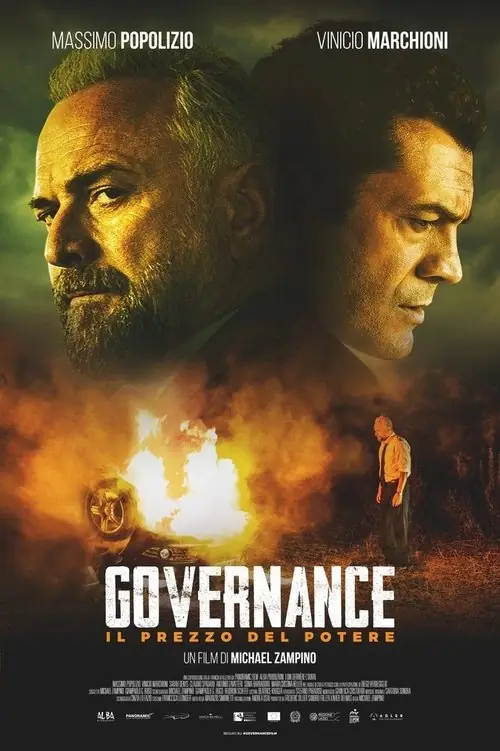
Renzo Petrucci is the corporate villain who refuses to stay down, and honestly, you kind of have to admire…
Governance
Renzo Petrucci is the corporate villain who refuses to stay down, and honestly, you kind of have to admire…
 It's Not Me, I Swear!
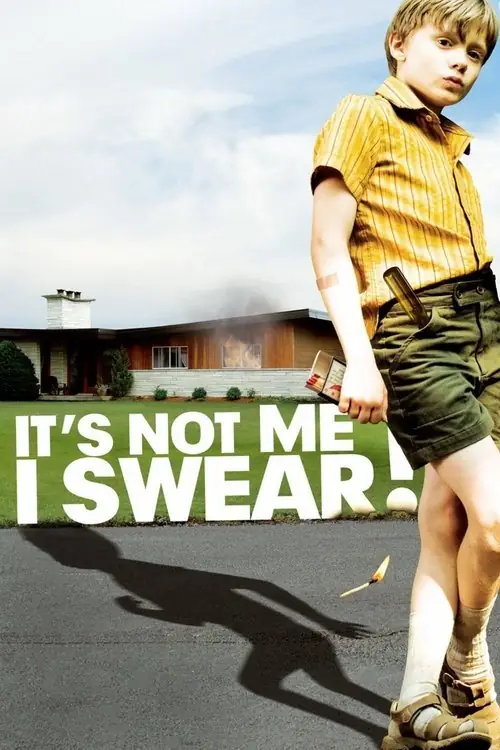
The summer of 1968 was already a historically chaotic moment—assassinations, protests, social upheaval—but…
It's Not Me, I Swear!
The summer of 1968 was already a historically chaotic moment—assassinations, protests, social upheaval—but…
 Iron Man
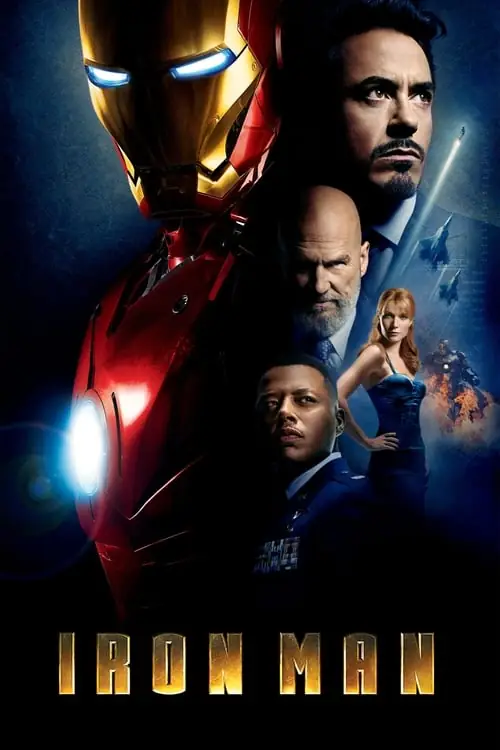
Let me tell you about the most expensive therapy session in cinematic history. A guy who could buy several…
Iron Man
Let me tell you about the most expensive therapy session in cinematic history. A guy who could buy several…