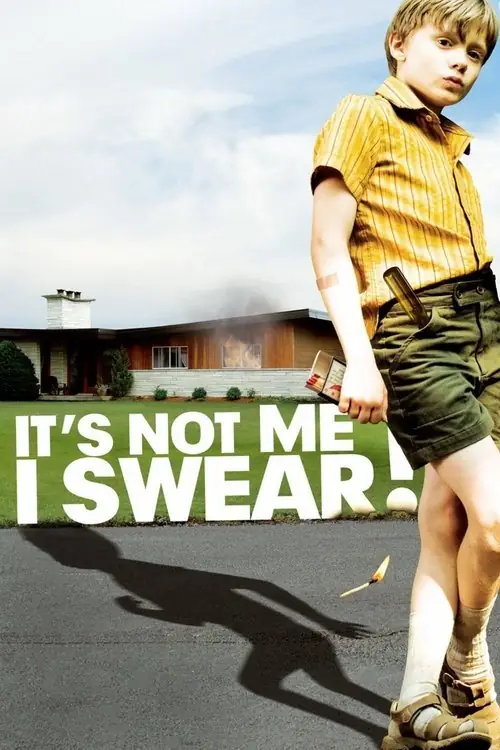
Dream Note
The summer of 1968 was already a historically chaotic moment—assassinations, protests, social upheaval—but for ten-year-old Leon, the global turbulence is merely background noise to his own personal circus. This kid is navigating the treacherous waters of first love, which at that age essentially means staring at someone from across the playground and experiencing emotions you can't articulate because you haven't yet learned the word 'infatuation' or 'mortifying.' His romantic aspirations are complicated by the fact that he's also dealing with a mother whose mental state could generously be described as 'unpredictable' and more accurately described as 'hold onto something sturdy, we're in for a ride.' But Leon isn't just a passive victim of circumstance; he's an active agent of chaos with a very specific hobby: vandalizing his neighbors' house. This is the kind of childhood acting out that family therapists write entire case studies about, and it's presented with such deadpan sincerity that you can't help but laugh even as you're slightly concerned for everyone involved. There's something perversely admirable about a kid who responds to emotional distress by systematically dismantling someone else's property—it's wrong, obviously, but you understand the impulse in the same way you understand why people scream into pillows. The film walks this remarkable tightrope between humor and heartbreak, capturing that specific childhood experience where everything is simultaneously the most important thing that has ever happened and completely insignificant to the adults around you. Leon's world is one where a crush feels like a medical emergency, a mother's mood swing can restructure your entire day, and the neighbors' house is an acceptable canvas for expressing feelings you don't yet have the vocabulary to articulate. It's a coming-of-age story that refuses to sentimentalize childhood, instead presenting it as the messy, confusing, occasionally destructive experience it actually is. By the end, you'll want to hug Leon, ground him, and then hug him again, roughly in that order.
The summer of 1968 was already a historically chaotic moment—assassinations, protests, social upheaval—but for ten-year-old Leon, the global turbulence is merely background noise to his own personal circus. This kid is navigating the treacherous waters of first love, which at that age essentially means staring at someone from across the playground and experiencing emotions you can't articulate because you haven't yet learned the word 'infatuation' or 'mortifying.' His romantic aspirations are complicated by the fact that he's also dealing with a mother whose mental state could generously be described as 'unpredictable' and more accurately described as 'hold onto something sturdy, we're in for a ride.' But Leon isn't just a passive victim of circumstance; he's an active agent of chaos with a very specific hobby: vandalizing his neighbors' house. This is the kind of childhood acting out that family therapists write entire case studies about, and it's presented with such deadpan sincerity that you can't help but laugh even as you're slightly concerned for everyone involved. There's something perversely admirable about a kid who responds to emotional distress by systematically dismantling someone else's property—it's wrong, obviously, but you understand the impulse in the same way you understand why people scream into pillows. The film walks this remarkable tightrope between humor and heartbreak, capturing that specific childhood experience where everything is simultaneously the most important thing that has ever happened and completely insignificant to the adults around you. Leon's world is one where a crush feels like a medical emergency, a mother's mood swing can restructure your entire day, and the neighbors' house is an acceptable canvas for expressing feelings you don't yet have the vocabulary to articulate. It's a coming-of-age story that refuses to sentimentalize childhood, instead presenting it as the messy, confusing, occasionally destructive experience it actually is. By the end, you'll want to hug Leon, ground him, and then hug him again, roughly in that order.
— Dreamer's log, recorded 1979 in the cloudsAdjacent Dreams in the Cloud
 Ruby Herring Mysteries: Her Last Breath
Ruby Herring is back, and she's doing that thing where she treats crime scenes like they're her personal…
Ruby Herring Mysteries: Her Last Breath
Ruby Herring is back, and she's doing that thing where she treats crime scenes like they're her personal…
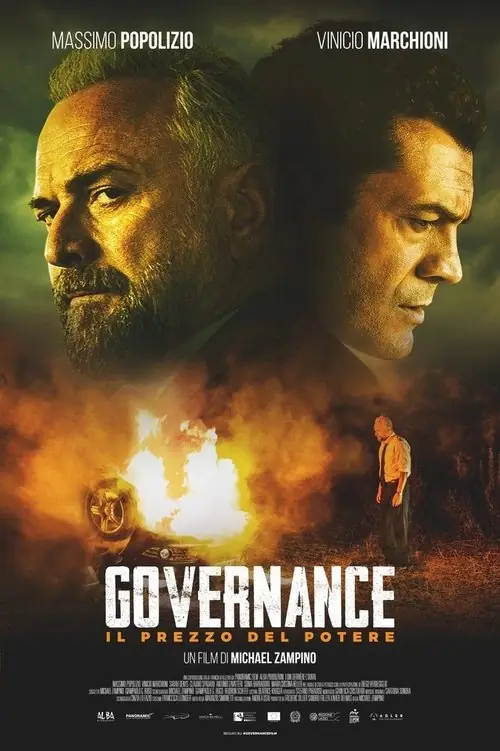 Governance
Renzo Petrucci is the corporate villain who refuses to stay down, and honestly, you kind of have to admire…
Governance
Renzo Petrucci is the corporate villain who refuses to stay down, and honestly, you kind of have to admire…
 Iron Man
Let me tell you about the most expensive therapy session in cinematic history. A guy who could buy several…
Iron Man
Let me tell you about the most expensive therapy session in cinematic history. A guy who could buy several…
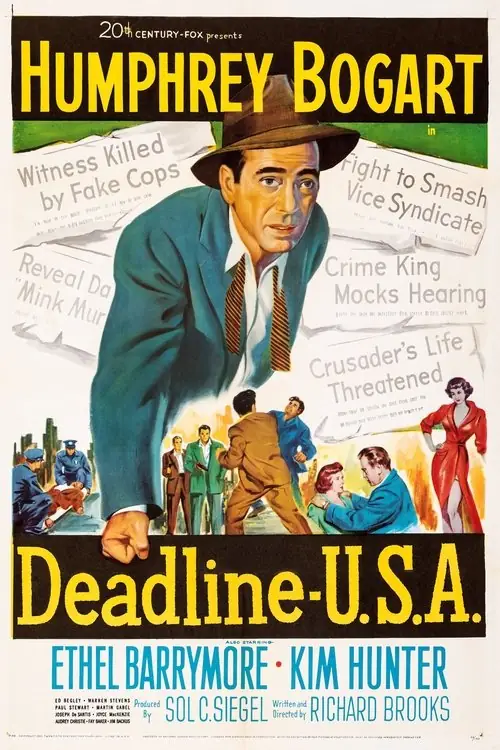 Deadline - U.S.A.
Imagine you're a journalist — not the kind who live-tweets award shows, but the real-deal, ink-stained,…
Deadline - U.S.A.
Imagine you're a journalist — not the kind who live-tweets award shows, but the real-deal, ink-stained,…