Dream Note
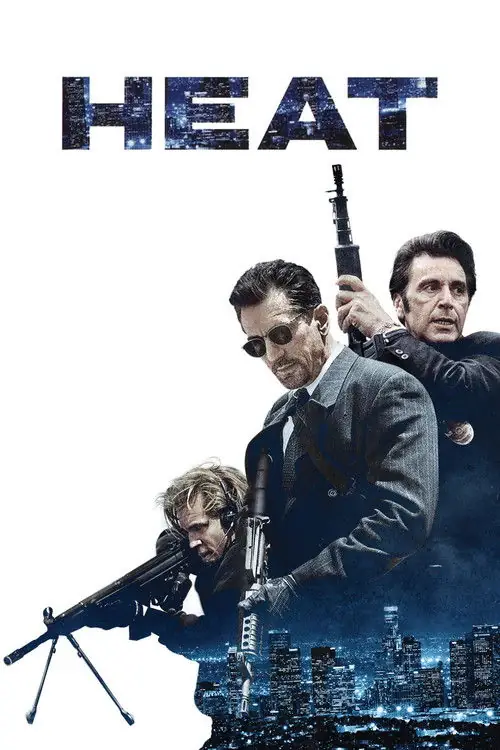
Let me tell you about the movie that made every other crime film look like it was filmed on a flip phone by someone who'd never experienced adrenaline. Heat is the cinematic equivalent of a master chef preparing a twelve-course meal where every single dish is the best thing you've ever tasted, and then the kitchen catches fire and the fire is ALSO spectacular. Neil McCauley isn't just a thief — he's the symphony conductor of armed robbery, orchestrating heists with the kind of meticulous precision that would make a Swiss watchmaker weep with professional envy. His crew operates like a well-oiled machine designed by God specifically to relieve Los Angeles banks of their contents. On the other side of this high-stakes chess match sits Vincent Hanna, a detective so consumed by his pursuit that he makes the Terminator look like a guy who occasionally glances at his fitness tracker. What elevates this film from merely excellent to absolutely legendary is the profound, almost romantic respect between these two adversaries. They're not enemies in the traditional sense — they're mirrors reflecting each other's obsession, dedication, and willingness to sacrifice everything normal people hold dear for their respective callings. The famous diner scene where they sit across from each other, essentially acknowledging that their collision is inevitable and likely fatal, plays like the world's most intense first date between two people who understand each other better than their own families do. And then there's the downtown LA shootout — a sequence so viscerally overwhelming that real police departments started using it as training footage. Michael Mann didn't just film a gunfight; he choreographed a ballet of chaos where every bullet carries the weight of inevitability. The supporting cast reads like a Hollywood all-star team playing the most intense pickup game in cinema history. This is the kind of film that makes you want to immediately watch it again, except you need to catch your breath first.
Let me tell you about the movie that made every other crime film look like it was filmed on a flip phone by someone who'd never experienced adrenaline. Heat is the cinematic equivalent of a master chef preparing a twelve-course meal where every single dish is the best thing you've ever tasted, and then the kitchen catches fire and the fire is ALSO spectacular. Neil McCauley isn't just a thief — he's the symphony conductor of armed robbery, orchestrating heists with the kind of meticulous precision that would make a Swiss watchmaker weep with professional envy. His crew operates like a well-oiled machine designed by God specifically to relieve Los Angeles banks of their contents. On the other side of this high-stakes chess match sits Vincent Hanna, a detective so consumed by his pursuit that he makes the Terminator look like a guy who occasionally glances at his fitness tracker. What elevates this film from merely excellent to absolutely legendary is the profound, almost romantic respect between these two adversaries. They're not enemies in the traditional sense — they're mirrors reflecting each other's obsession, dedication, and willingness to sacrifice everything normal people hold dear for their respective callings. The famous diner scene where they sit across from each other, essentially acknowledging that their collision is inevitable and likely fatal, plays like the world's most intense first date between two people who understand each other better than their own families do. And then there's the downtown LA shootout — a sequence so viscerally overwhelming that real police departments started using it as training footage. Michael Mann didn't just film a gunfight; he choreographed a ballet of chaos where every bullet carries the weight of inevitability. The supporting cast reads like a Hollywood all-star team playing the most intense pickup game in cinema history. This is the kind of film that makes you want to immediately watch it again, except you need to catch your breath first.
— Dreamer's log, recorded 1964 in the cloudsAdjacent Dreams in the Cloud
 Ruby Herring Mysteries: Her Last Breath
Ruby Herring is back, and she's doing that thing where she treats crime scenes like they're her personal…
Ruby Herring Mysteries: Her Last Breath
Ruby Herring is back, and she's doing that thing where she treats crime scenes like they're her personal…
 Governance
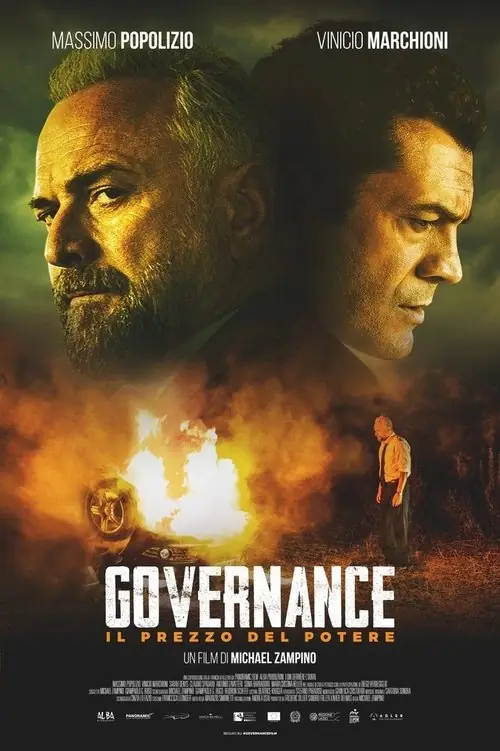
Renzo Petrucci is the corporate villain who refuses to stay down, and honestly, you kind of have to admire…
Governance
Renzo Petrucci is the corporate villain who refuses to stay down, and honestly, you kind of have to admire…
 It's Not Me, I Swear!
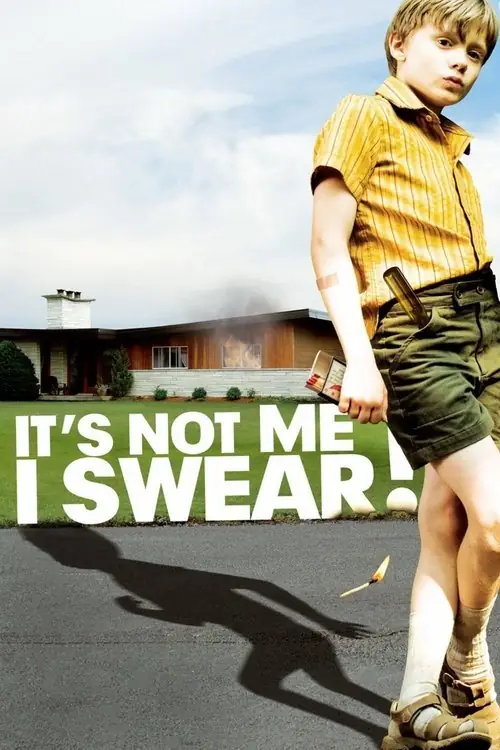
The summer of 1968 was already a historically chaotic moment—assassinations, protests, social upheaval—but…
It's Not Me, I Swear!
The summer of 1968 was already a historically chaotic moment—assassinations, protests, social upheaval—but…
 Iron Man
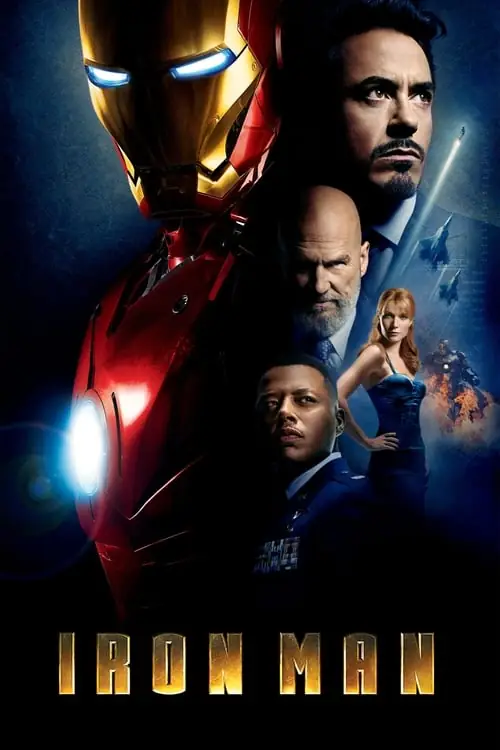
Let me tell you about the most expensive therapy session in cinematic history. A guy who could buy several…
Iron Man
Let me tell you about the most expensive therapy session in cinematic history. A guy who could buy several…