Dream Note
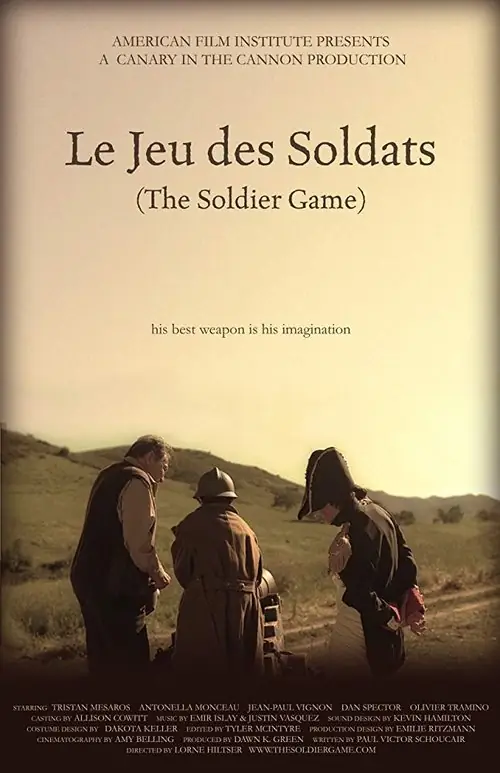
War is heck, but apparently it's significantly less heck when you're a ten-year-old French boy with an imagination powerful enough to rival the entire Maginot Line in terms of sheer defensive delusion. Young Antoine lives in northern France at the exact moment when the entire continent decides to throw itself off a historical cliff, and his father gets yanked away to man the aforementioned Maginot Line — you know, that spectacularly useless fortification that the Germans simply walked around like a detour sign at a construction zone. Thanks, military strategy! Left behind with nothing but his pluck and an apparently limitless supply of moxie, Antoine decides that if the adults are going to fight a war, then by golly, so will he. His accomplices in this quixotic endeavor? Grandpa, a war veteran who presumably looks at Antoine's enthusiasm and thinks surely I taught this child better than this, and Napoleon — not the actual historical figure, but an imaginary friend who shares a name with France's most famous short emperor with a complex to match. Together, this unlikely trio mounts a defense of the family homestead that would make General Patton weep, though whether from admiration or confusion remains debatable. Antoine digs trenches in the front yard like a miniature combat engineer with something to prove, and stations himself by an ancient cannon that hasn't fired since the previous century. The absurdity is the point, and the film knows it. There's something simultaneously heartbreaking and hilarious about a child treating global catastrophe like a backyard adventure, armed with nothing but a rusty piece of artillery and the ghost of a dead emperor whispering tactical advice. What elevates this above mere whimsy is the undercurrent of genuine fear and loss that runs through every scene. Antoine's war games aren't just games — they're a coping mechanism elaborate enough to impress Freud himself. The film understands that childhood doesn't pause for history, and sometimes the bravest thing a kid can do is pretend the world hasn't completely fallen apart around him. Poignant, peculiar, and profoundly French in the best possible way.
War is heck, but apparently it's significantly less heck when you're a ten-year-old French boy with an imagination powerful enough to rival the entire Maginot Line in terms of sheer defensive delusion. Young Antoine lives in northern France at the exact moment when the entire continent decides to throw itself off a historical cliff, and his father gets yanked away to man the aforementioned Maginot Line — you know, that spectacularly useless fortification that the Germans simply walked around like a detour sign at a construction zone. Thanks, military strategy! Left behind with nothing but his pluck and an apparently limitless supply of moxie, Antoine decides that if the adults are going to fight a war, then by golly, so will he. His accomplices in this quixotic endeavor? Grandpa, a war veteran who presumably looks at Antoine's enthusiasm and thinks surely I taught this child better than this, and Napoleon — not the actual historical figure, but an imaginary friend who shares a name with France's most famous short emperor with a complex to match. Together, this unlikely trio mounts a defense of the family homestead that would make General Patton weep, though whether from admiration or confusion remains debatable. Antoine digs trenches in the front yard like a miniature combat engineer with something to prove, and stations himself by an ancient cannon that hasn't fired since the previous century. The absurdity is the point, and the film knows it. There's something simultaneously heartbreaking and hilarious about a child treating global catastrophe like a backyard adventure, armed with nothing but a rusty piece of artillery and the ghost of a dead emperor whispering tactical advice. What elevates this above mere whimsy is the undercurrent of genuine fear and loss that runs through every scene. Antoine's war games aren't just games — they're a coping mechanism elaborate enough to impress Freud himself. The film understands that childhood doesn't pause for history, and sometimes the bravest thing a kid can do is pretend the world hasn't completely fallen apart around him. Poignant, peculiar, and profoundly French in the best possible way.
— Dreamer's log, recorded 1943 in the cloudsAdjacent Dreams in the Cloud
 Why Be Good?: Sexuality & Censorship in Early Cinema
Picture this: Tinseltown before anybody thought to install a moral compass. That's right, before some suit in…
Why Be Good?: Sexuality & Censorship in Early Cinema
Picture this: Tinseltown before anybody thought to install a moral compass. That's right, before some suit in…
 Till We Meet Again
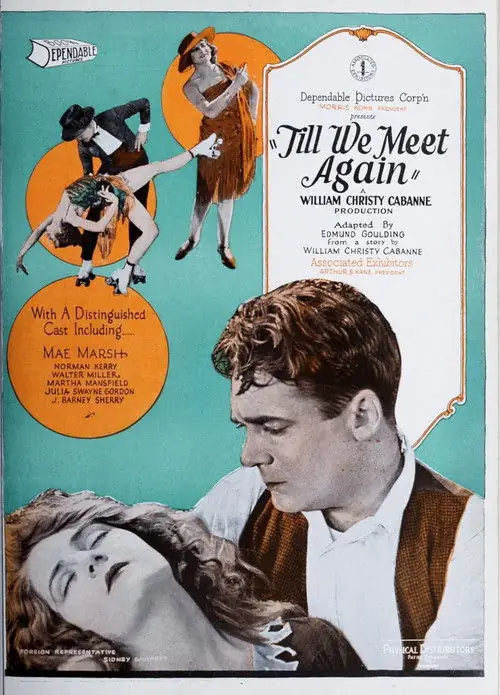
Let me paint you a picture of the most satisfying revenge setup this side of a telenovela finale. Arthur…
Till We Meet Again
Let me paint you a picture of the most satisfying revenge setup this side of a telenovela finale. Arthur…
 How to Be a Woman and Not Die in the Attempt
Carmen is a journalist, a mother of two, and currently on her third husband, which already tells you…
How to Be a Woman and Not Die in the Attempt
Carmen is a journalist, a mother of two, and currently on her third husband, which already tells you…
 The Super Elfkins
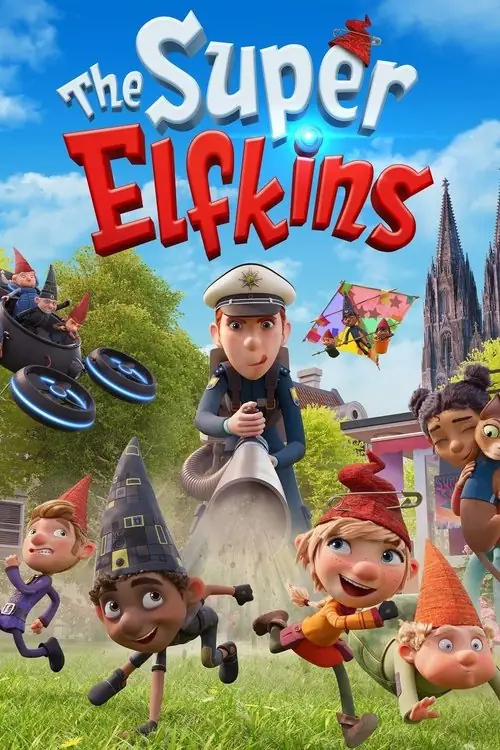
Picture this: you've spent your entire existence in a tiny woodland community where the biggest thrill is…
The Super Elfkins
Picture this: you've spent your entire existence in a tiny woodland community where the biggest thrill is…