
Dream Note
Carmen is a journalist, a mother of two, and currently on her third husband, which already tells you everything you need to know about her decision-making skills in the romance department. Antonio, husband number three, is a record producer, which is industry code for 'man who thinks his job is inherently more fascinating than yours.' Over the course of a year, we watch Carmen navigate the sort of relentless micro-aggressions that would make a saint consider a career change to professional wrestling. Antonio is perpetually tardy, because apparently time is a construct that only applies to people who don't produce records. When Carmen desires physical intimacy, Antonio responds with the enthusiasm of someone asked to do their taxes, which is the romantic equivalent of a cold shower delivered via emotional FedEx. He treats her journalism career like it's a cute hobby, the professional equivalent of patting someone on the head and saying 'that's nice, dear.' Her opinions are dismissed with the casual ease of someone swiping past an ad on their phone. Meanwhile, her boss assigns her an editor whose competence level suggests they may have been hired through a clerical error. Bartenders look right through her, which is a particularly cutting insult since bartenders are professionally obligated to notice people. And threading through all of this is the quiet, creeping horror of advancing age in a society that treats women's birthdays like expiration dates. The genius of this film lies in its accumulation of small indignities. No single incident is catastrophic; it's the Chinese water torture of everyday sexism, each drip seemingly insignificant until you realize you're drowning. It's a comedy that isn't afraid to make you uncomfortable, a social critique disguised as domestic observation, and a masterclass in how the personal is political even when the political feels as mundane as your husband falling asleep before you've finished your sentence. By the end, you'll want to buy Carmen a drink, except the bartender probably wouldn't serve her.
Carmen is a journalist, a mother of two, and currently on her third husband, which already tells you everything you need to know about her decision-making skills in the romance department. Antonio, husband number three, is a record producer, which is industry code for 'man who thinks his job is inherently more fascinating than yours.' Over the course of a year, we watch Carmen navigate the sort of relentless micro-aggressions that would make a saint consider a career change to professional wrestling. Antonio is perpetually tardy, because apparently time is a construct that only applies to people who don't produce records. When Carmen desires physical intimacy, Antonio responds with the enthusiasm of someone asked to do their taxes, which is the romantic equivalent of a cold shower delivered via emotional FedEx. He treats her journalism career like it's a cute hobby, the professional equivalent of patting someone on the head and saying 'that's nice, dear.' Her opinions are dismissed with the casual ease of someone swiping past an ad on their phone. Meanwhile, her boss assigns her an editor whose competence level suggests they may have been hired through a clerical error. Bartenders look right through her, which is a particularly cutting insult since bartenders are professionally obligated to notice people. And threading through all of this is the quiet, creeping horror of advancing age in a society that treats women's birthdays like expiration dates. The genius of this film lies in its accumulation of small indignities. No single incident is catastrophic; it's the Chinese water torture of everyday sexism, each drip seemingly insignificant until you realize you're drowning. It's a comedy that isn't afraid to make you uncomfortable, a social critique disguised as domestic observation, and a masterclass in how the personal is political even when the political feels as mundane as your husband falling asleep before you've finished your sentence. By the end, you'll want to buy Carmen a drink, except the bartender probably wouldn't serve her.
— Dreamer's log, recorded 2008 in the cloudsAdjacent Dreams in the Cloud
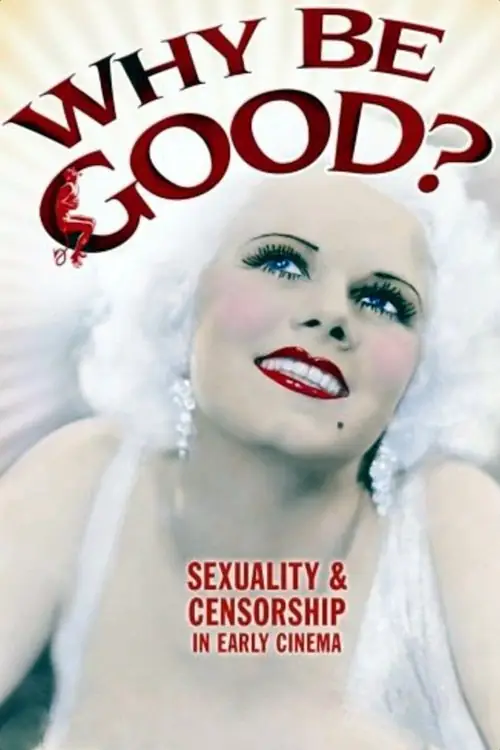 Why Be Good?: Sexuality & Censorship in Early Cinema
Picture this: Tinseltown before anybody thought to install a moral compass. That's right, before some suit in…
Why Be Good?: Sexuality & Censorship in Early Cinema
Picture this: Tinseltown before anybody thought to install a moral compass. That's right, before some suit in…
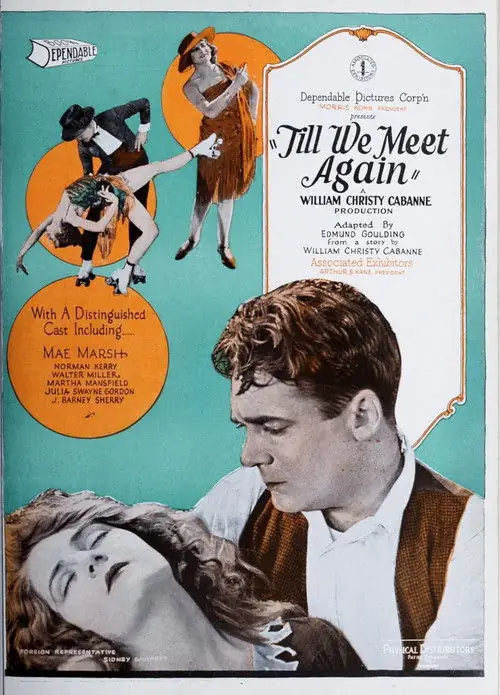 Till We Meet Again
Let me paint you a picture of the most satisfying revenge setup this side of a telenovela finale. Arthur…
Till We Meet Again
Let me paint you a picture of the most satisfying revenge setup this side of a telenovela finale. Arthur…
 The Super Elfkins
Picture this: you've spent your entire existence in a tiny woodland community where the biggest thrill is…
The Super Elfkins
Picture this: you've spent your entire existence in a tiny woodland community where the biggest thrill is…
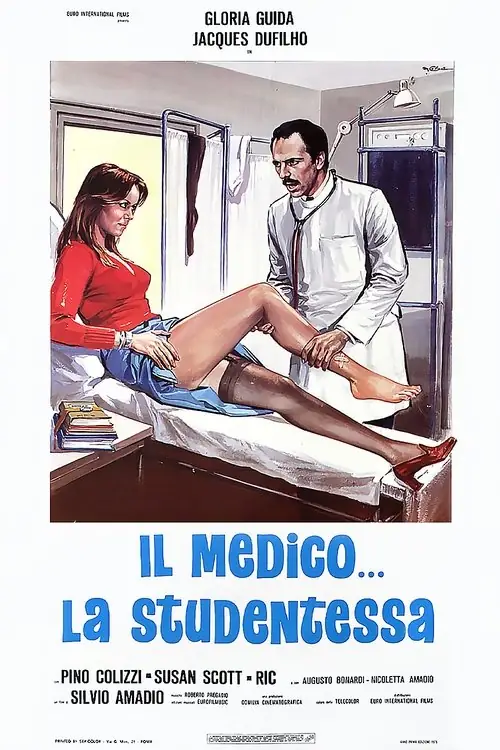 The Doctor...the Schoolgirl
Ladies and gentlemen, allow me to introduce you to the most elaborate revenge scheme since that kid in middle…
The Doctor...the Schoolgirl
Ladies and gentlemen, allow me to introduce you to the most elaborate revenge scheme since that kid in middle…