Dream Note
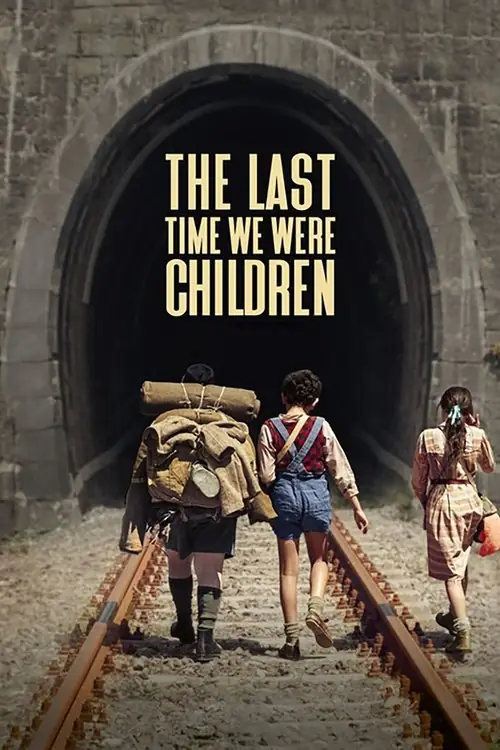
Rome, summer of nineteen forty-three, and the grown-ups are busy conducting the most catastrophic organized conflict in human history. Meanwhile, four kids are staging their own miniature war in the streets, blissfully unaware that the real explosions rumbling overhead aren't part of their game. Italo comes from money and fascist connections — his old man holds a government position that would make any dinner party extremely uncomfortable. Cosimo's father has been detained by the regime, which adds a layer of genuine peril to what should be carefree afternoons. Vanda has already lost her parents and clings to faith like a life raft in turbulent waters. And Riccardo's family possesses wealth that, unbeknownst to him, has a giant target painted on it. The genius of this setup is that these children have constructed a friendship that transcends the categories their society insists are insurmountable. They don't see wealth, religion, or political affiliation — they see comrades in imaginary combat. Their bond is the purest thing in a world actively poisoning itself with hatred, and the film lets us bask in that innocence with the bittersweet knowledge that it cannot possibly last. When October rolls around and the German authorities come for Riccardo, the idyll shatters with devastating finality. The deportation isn't presented as a plot twist — it's the historical inevitability that's been hovering over every playful scene like a shadow that the sunlight can't quite banish. The filmmakers make you feel the full weight of this moment by making you love these kids first, by showing you exactly what's being stolen when bigotry arrives to claim its victims. What remains is the question of how innocence processes atrocity. The other three children must reconcile their playful war with the genuine one that has just consumed their friend. Their game was never real, but the consequences absolutely are. This is historical drama that earns every tear it extracts, not through manipulation but through the simple, devastating act of showing us what friendship looks like before the world arrives to explain why it shouldn't exist. Heartbreaking, essential, and impossible to shake.
Rome, summer of nineteen forty-three, and the grown-ups are busy conducting the most catastrophic organized conflict in human history. Meanwhile, four kids are staging their own miniature war in the streets, blissfully unaware that the real explosions rumbling overhead aren't part of their game. Italo comes from money and fascist connections — his old man holds a government position that would make any dinner party extremely uncomfortable. Cosimo's father has been detained by the regime, which adds a layer of genuine peril to what should be carefree afternoons. Vanda has already lost her parents and clings to faith like a life raft in turbulent waters. And Riccardo's family possesses wealth that, unbeknownst to him, has a giant target painted on it. The genius of this setup is that these children have constructed a friendship that transcends the categories their society insists are insurmountable. They don't see wealth, religion, or political affiliation — they see comrades in imaginary combat. Their bond is the purest thing in a world actively poisoning itself with hatred, and the film lets us bask in that innocence with the bittersweet knowledge that it cannot possibly last. When October rolls around and the German authorities come for Riccardo, the idyll shatters with devastating finality. The deportation isn't presented as a plot twist — it's the historical inevitability that's been hovering over every playful scene like a shadow that the sunlight can't quite banish. The filmmakers make you feel the full weight of this moment by making you love these kids first, by showing you exactly what's being stolen when bigotry arrives to claim its victims. What remains is the question of how innocence processes atrocity. The other three children must reconcile their playful war with the genuine one that has just consumed their friend. Their game was never real, but the consequences absolutely are. This is historical drama that earns every tear it extracts, not through manipulation but through the simple, devastating act of showing us what friendship looks like before the world arrives to explain why it shouldn't exist. Heartbreaking, essential, and impossible to shake.
— Dreamer's log, recorded 1971 in the cloudsAdjacent Dreams in the Cloud
 Why Be Good?: Sexuality & Censorship in Early Cinema
Picture this: Tinseltown before anybody thought to install a moral compass. That's right, before some suit in…
Why Be Good?: Sexuality & Censorship in Early Cinema
Picture this: Tinseltown before anybody thought to install a moral compass. That's right, before some suit in…
 Till We Meet Again
Let me paint you a picture of the most satisfying revenge setup this side of a telenovela finale. Arthur…
Till We Meet Again
Let me paint you a picture of the most satisfying revenge setup this side of a telenovela finale. Arthur…
 How to Be a Woman and Not Die in the Attempt
Carmen is a journalist, a mother of two, and currently on her third husband, which already tells you…
How to Be a Woman and Not Die in the Attempt
Carmen is a journalist, a mother of two, and currently on her third husband, which already tells you…
 The Super Elfkins
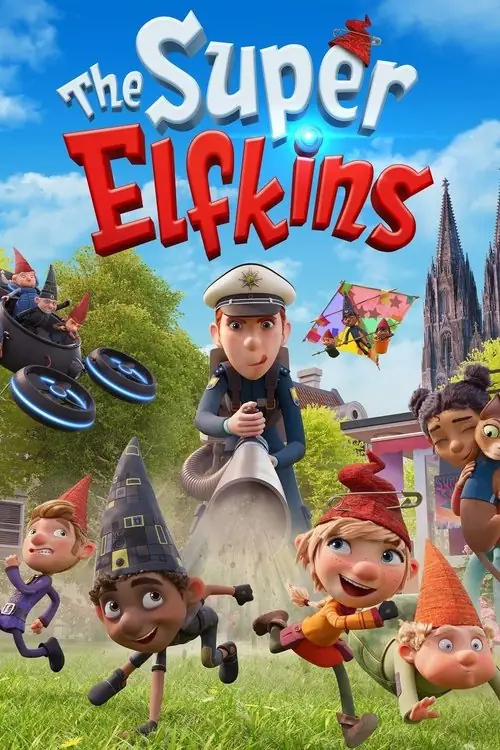
Picture this: you've spent your entire existence in a tiny woodland community where the biggest thrill is…
The Super Elfkins
Picture this: you've spent your entire existence in a tiny woodland community where the biggest thrill is…