Dream Note
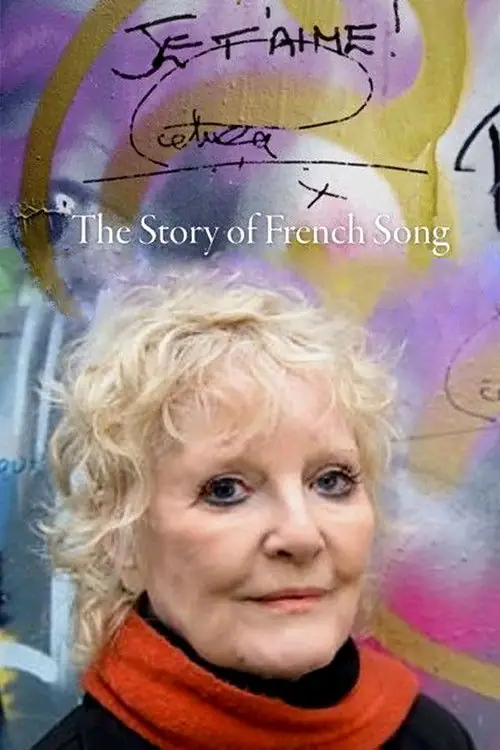
If you've ever wept softly into a croissant while listening to Edith Piaf and wondering why English-language pop music never quite captures that specific flavor of soul-crushing romantic devastation, have I got the documentary for you. This cinematic love letter to the French chanson tradition — that uniquely Gallic art form where the lyrics matter more than the beat and every performance feels like someone is reading your diary aloud in a smoky Parisian cellar — is guided by none other than Petula Clark, a woman who conquered the French music scene in the late fifties with the kind of nuanced vocal delivery that made audiences think she was whispering their deepest secrets directly into their ears. Clark is the perfect navigator for this journey because she lived it — a British artist who crossed the Channel and somehow understood the French musical soul better than people who'd been breathing that air since birth. She walks us through the evolution of a tradition that stretches from Charles Trenet — the eccentric showman who made whimsy into an art form — all the way to Zaz, the modern voice who proves that the chanson spirit is alive, well, and still capable of making you feel feelings you didn't schedule. Along the way, we meet the giants of the form: the poets, the tragediennes, the rebels who proved that you could fill a room with nothing but a voice, an accordion, and the kind of emotional devastation that takes three croissants and a bottle of Bordeaux to process. What makes this film essential viewing isn't just the music — though that would be enough — but the way it illuminates an entire philosophy of artistic expression. In the Anglophone world, we often treat lyrics as accessories to melody, pretty garnish on the main course of the hook. The chanson tradition flips that hierarchy completely: the words are the architecture, the music merely the lighting that makes the words visible. It's a masterclass in how language, when wielded with enough care, can transcend mere communication and become something closer to controlled emotional demolition.
If you've ever wept softly into a croissant while listening to Edith Piaf and wondering why English-language pop music never quite captures that specific flavor of soul-crushing romantic devastation, have I got the documentary for you. This cinematic love letter to the French chanson tradition — that uniquely Gallic art form where the lyrics matter more than the beat and every performance feels like someone is reading your diary aloud in a smoky Parisian cellar — is guided by none other than Petula Clark, a woman who conquered the French music scene in the late fifties with the kind of nuanced vocal delivery that made audiences think she was whispering their deepest secrets directly into their ears. Clark is the perfect navigator for this journey because she lived it — a British artist who crossed the Channel and somehow understood the French musical soul better than people who'd been breathing that air since birth. She walks us through the evolution of a tradition that stretches from Charles Trenet — the eccentric showman who made whimsy into an art form — all the way to Zaz, the modern voice who proves that the chanson spirit is alive, well, and still capable of making you feel feelings you didn't schedule. Along the way, we meet the giants of the form: the poets, the tragediennes, the rebels who proved that you could fill a room with nothing but a voice, an accordion, and the kind of emotional devastation that takes three croissants and a bottle of Bordeaux to process. What makes this film essential viewing isn't just the music — though that would be enough — but the way it illuminates an entire philosophy of artistic expression. In the Anglophone world, we often treat lyrics as accessories to melody, pretty garnish on the main course of the hook. The chanson tradition flips that hierarchy completely: the words are the architecture, the music merely the lighting that makes the words visible. It's a masterclass in how language, when wielded with enough care, can transcend mere communication and become something closer to controlled emotional demolition.
— Dreamer's log, recorded 2012 in the cloudsAdjacent Dreams in the Cloud
 How Should We Then Live?
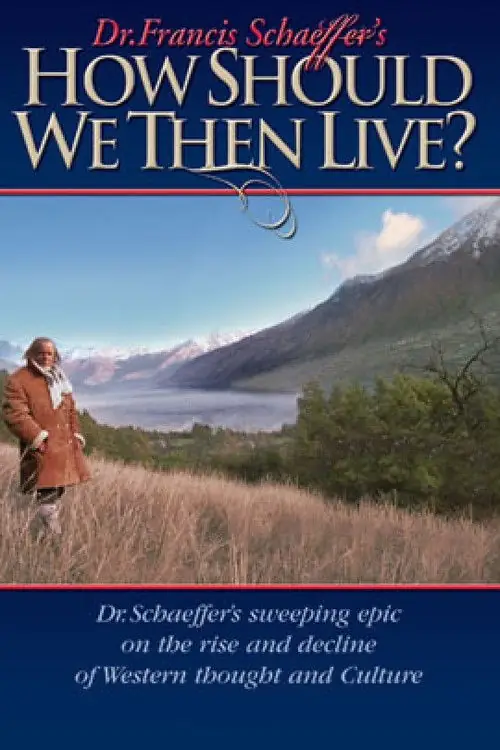
Alright, gather round, philosophy nerds and reluctant humanities students who slept through Western Civ —…
How Should We Then Live?
Alright, gather round, philosophy nerds and reluctant humanities students who slept through Western Civ —…
 Why Be Good?: Sexuality & Censorship in Early Cinema
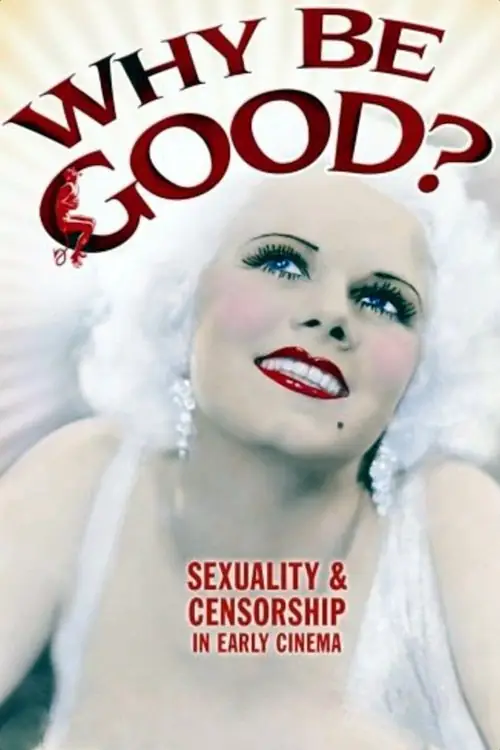
Picture this: Tinseltown before anybody thought to install a moral compass. That's right, before some suit in…
Why Be Good?: Sexuality & Censorship in Early Cinema
Picture this: Tinseltown before anybody thought to install a moral compass. That's right, before some suit in…
 Absolute Vow
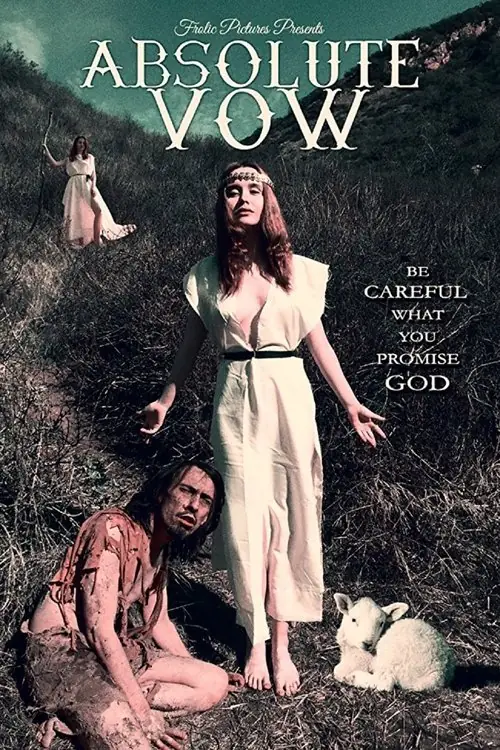
Welcome to 1000 BC, where the entertainment options were limited to 'contemplate mortality' and 'walk…
Absolute Vow
Welcome to 1000 BC, where the entertainment options were limited to 'contemplate mortality' and 'walk…
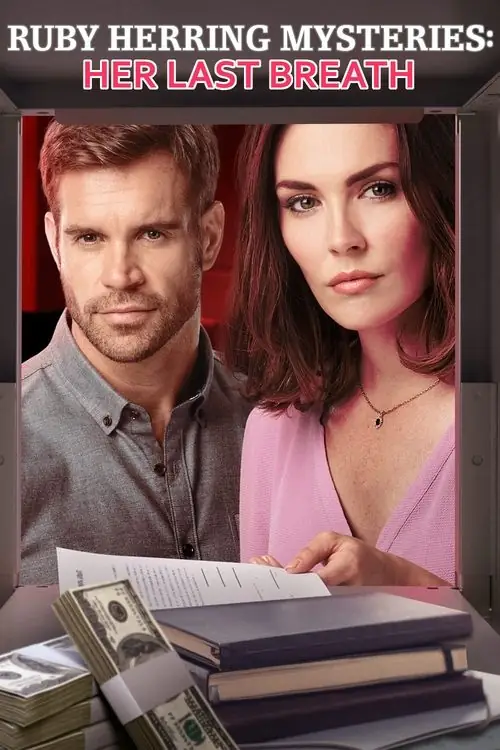 Ruby Herring Mysteries: Her Last Breath
Ruby Herring is back, and she's doing that thing where she treats crime scenes like they're her personal…
Ruby Herring Mysteries: Her Last Breath
Ruby Herring is back, and she's doing that thing where she treats crime scenes like they're her personal…