Dream Note
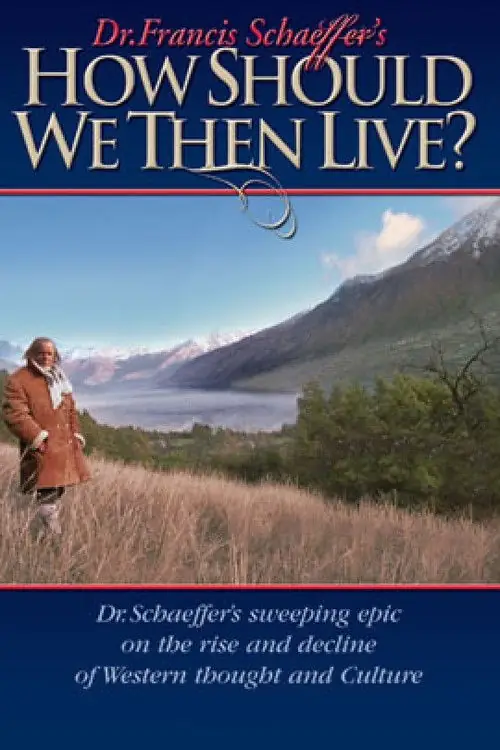
Alright, gather round, philosophy nerds and reluctant humanities students who slept through Western Civ — this one's for you. Dr. Francis Schaeffer, a man whose eyebrow game alone could launch a thousand doctoral dissertations, takes viewers on a sweeping intellectual odyssey through the entire trajectory of Occidental civilization, and he does it wearing the kind of tweed authority that says, 'I have read every book in this library and I have thoughts.' This isn't your standard dusty lecture series where a bearded academic mumbles into a microphone while students frantically transcribe every third word. No, Schaeffer mounts a full-blown audiovisual assault on the soul, tracing how art, philosophy, theology, and culture intersected and collided across centuries like the world's most intellectually consequential multi-car pileup. The premise is audacious: everything — from Renaissance paintings to modern existential dread — connects in a grand narrative that either elevates human consciousness or sends it spiraling into the abyss, depending on which philosophical traffic lane civilization decided to swerve into at any given historical moment. Schaeffer argues, with the conviction of a man who has genuinely wrestled with these questions at three in the morning over cold coffee, that the West's gradual departure from its theological moorings set the stage for cultural unraveling. Whether you nod along enthusiastically or find yourself yelling counterarguments at the screen like it's a political debate at Thanksgiving dinner, you cannot deny the sheer ambition on display. What elevates this beyond typical educational programming is Schaeffer's willingness to go big — massive, actually — swinging from ancient Rome to the atomic age with the confident narrative stride of someone who sees the connective tissue that most of us miss while we're busy arguing about whether the curtains in that Dutch painting symbolize mortality or are just curtains. Love it, debate it, or furiously annotate your copy of his book in the margins — either way, this series demands engagement on a level that most content wouldn't dare attempt.
Alright, gather round, philosophy nerds and reluctant humanities students who slept through Western Civ — this one's for you. Dr. Francis Schaeffer, a man whose eyebrow game alone could launch a thousand doctoral dissertations, takes viewers on a sweeping intellectual odyssey through the entire trajectory of Occidental civilization, and he does it wearing the kind of tweed authority that says, 'I have read every book in this library and I have thoughts.' This isn't your standard dusty lecture series where a bearded academic mumbles into a microphone while students frantically transcribe every third word. No, Schaeffer mounts a full-blown audiovisual assault on the soul, tracing how art, philosophy, theology, and culture intersected and collided across centuries like the world's most intellectually consequential multi-car pileup. The premise is audacious: everything — from Renaissance paintings to modern existential dread — connects in a grand narrative that either elevates human consciousness or sends it spiraling into the abyss, depending on which philosophical traffic lane civilization decided to swerve into at any given historical moment. Schaeffer argues, with the conviction of a man who has genuinely wrestled with these questions at three in the morning over cold coffee, that the West's gradual departure from its theological moorings set the stage for cultural unraveling. Whether you nod along enthusiastically or find yourself yelling counterarguments at the screen like it's a political debate at Thanksgiving dinner, you cannot deny the sheer ambition on display. What elevates this beyond typical educational programming is Schaeffer's willingness to go big — massive, actually — swinging from ancient Rome to the atomic age with the confident narrative stride of someone who sees the connective tissue that most of us miss while we're busy arguing about whether the curtains in that Dutch painting symbolize mortality or are just curtains. Love it, debate it, or furiously annotate your copy of his book in the margins — either way, this series demands engagement on a level that most content wouldn't dare attempt.
— Dreamer's log, recorded 1951 in the cloudsAdjacent Dreams in the Cloud
 Je t'aime: The Story of French Song with Petula Clark
If you've ever wept softly into a croissant while listening to Edith Piaf and wondering why English-language…
Je t'aime: The Story of French Song with Petula Clark
If you've ever wept softly into a croissant while listening to Edith Piaf and wondering why English-language…
 Why Be Good?: Sexuality & Censorship in Early Cinema
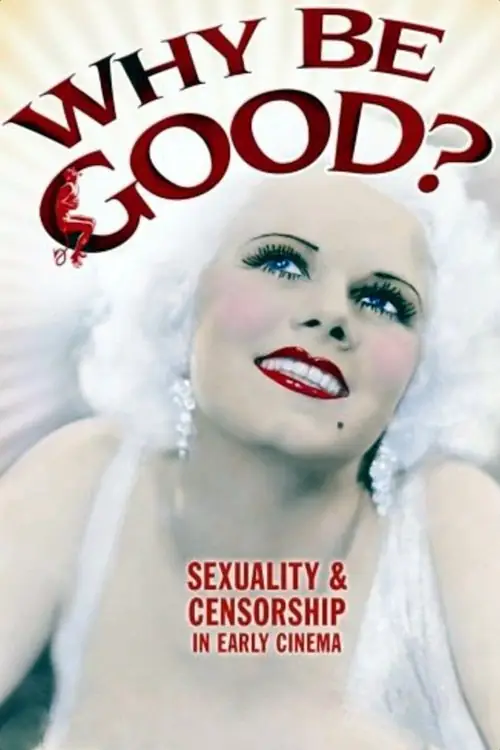
Picture this: Tinseltown before anybody thought to install a moral compass. That's right, before some suit in…
Why Be Good?: Sexuality & Censorship in Early Cinema
Picture this: Tinseltown before anybody thought to install a moral compass. That's right, before some suit in…
 Absolute Vow
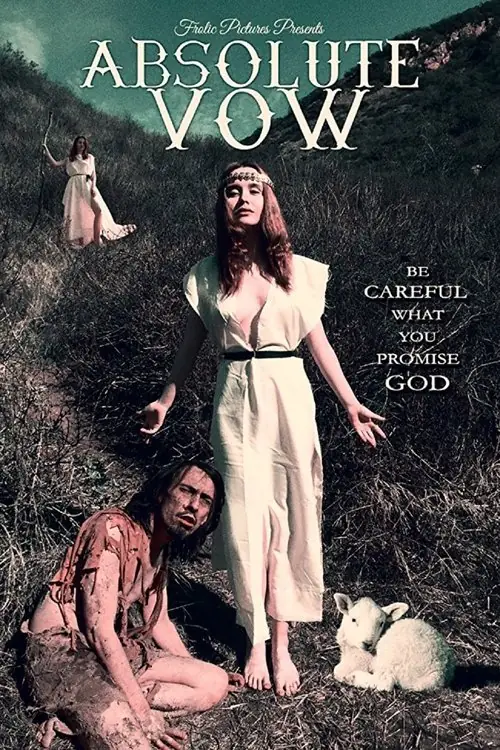
Welcome to 1000 BC, where the entertainment options were limited to 'contemplate mortality' and 'walk…
Absolute Vow
Welcome to 1000 BC, where the entertainment options were limited to 'contemplate mortality' and 'walk…
 Ruby Herring Mysteries: Her Last Breath
Ruby Herring is back, and she's doing that thing where she treats crime scenes like they're her personal…
Ruby Herring Mysteries: Her Last Breath
Ruby Herring is back, and she's doing that thing where she treats crime scenes like they're her personal…