Dream Note
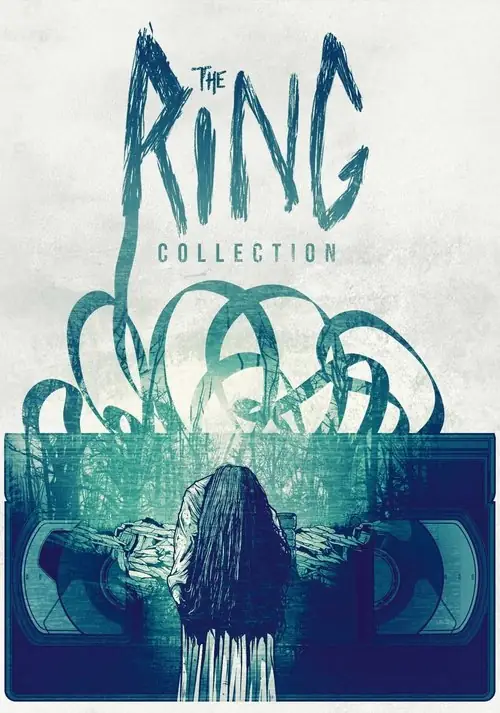
Alright, gather round, you wonderful nerds who still get chills from a well-timed VHS glitch — this one's for you. Alexandra Heller-Nicholas, who has apparently made it her life's mission to ensure nobody ever sleeps soundly again, delivers a sprawling video essay dissecting the lineage of Japan's most infamous curse-driven franchise. You know the one — that pale specter crawling out of the television set like a disgruntled cable technician who really, really needs you to sign for the package. Yeah, THAT one. What Heller-Nicholas accomplishes here is nothing short of a doctoral dissertation on how a single creepy concept — a videotape that essentially functions as a murderous RSVP — evolved from a novel into a cultural phenomenon that spanned multiple countries, remakes, sequels, and enough merchandise to fill a haunted shopping mall. She traces the DNA of that long-haired harbinger of doom across adaptations, examining how different filmmakers and cultures reshaped the mythology like a terrifying game of telephone where the final message is still just 'you're doomed in seven days.' The essay doesn't merely catalog sequels and spin-offs like some IMDb page with a podcast deal. No, it digs into WHY this particular curse resonated so deeply with audiences across the globe. There's something about the idea that media itself — the very screen you're watching — could betray you that taps into a primal dread we all share. Every time you hit play, you're essentially rolling dice with the supernatural. Your Netflix queue isn't entertainment; it's a Ouija board with better resolution. For those of us who obsess over the mechanics of horror franchises the way sports fans memorize batting averages, this deep dive is pure sustenance. Heller-Nicholas brings scholarly rigor and genuine affection to the material, making this essential viewing for anyone who has ever stared at a blank television screen and felt something staring back. Spoiler alert: it was probably just your own reflection, but where's the fun in that?
Alright, gather round, you wonderful nerds who still get chills from a well-timed VHS glitch — this one's for you. Alexandra Heller-Nicholas, who has apparently made it her life's mission to ensure nobody ever sleeps soundly again, delivers a sprawling video essay dissecting the lineage of Japan's most infamous curse-driven franchise. You know the one — that pale specter crawling out of the television set like a disgruntled cable technician who really, really needs you to sign for the package. Yeah, THAT one. What Heller-Nicholas accomplishes here is nothing short of a doctoral dissertation on how a single creepy concept — a videotape that essentially functions as a murderous RSVP — evolved from a novel into a cultural phenomenon that spanned multiple countries, remakes, sequels, and enough merchandise to fill a haunted shopping mall. She traces the DNA of that long-haired harbinger of doom across adaptations, examining how different filmmakers and cultures reshaped the mythology like a terrifying game of telephone where the final message is still just 'you're doomed in seven days.' The essay doesn't merely catalog sequels and spin-offs like some IMDb page with a podcast deal. No, it digs into WHY this particular curse resonated so deeply with audiences across the globe. There's something about the idea that media itself — the very screen you're watching — could betray you that taps into a primal dread we all share. Every time you hit play, you're essentially rolling dice with the supernatural. Your Netflix queue isn't entertainment; it's a Ouija board with better resolution. For those of us who obsess over the mechanics of horror franchises the way sports fans memorize batting averages, this deep dive is pure sustenance. Heller-Nicholas brings scholarly rigor and genuine affection to the material, making this essential viewing for anyone who has ever stared at a blank television screen and felt something staring back. Spoiler alert: it was probably just your own reflection, but where's the fun in that?
— Dreamer's log, recorded 1997 in the cloudsAdjacent Dreams in the Cloud
 Why Be Good?: Sexuality & Censorship in Early Cinema
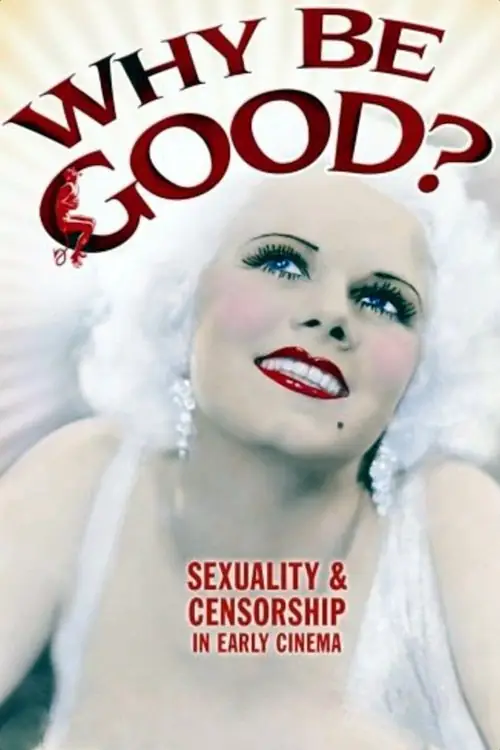
Picture this: Tinseltown before anybody thought to install a moral compass. That's right, before some suit in…
Why Be Good?: Sexuality & Censorship in Early Cinema
Picture this: Tinseltown before anybody thought to install a moral compass. That's right, before some suit in…
 Till We Meet Again
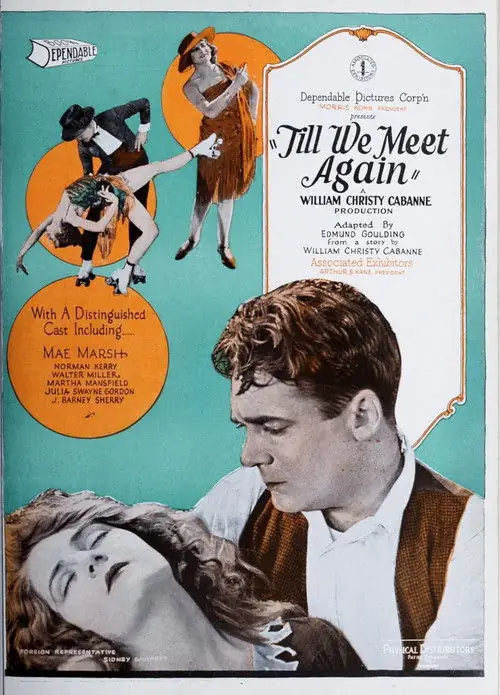
Let me paint you a picture of the most satisfying revenge setup this side of a telenovela finale. Arthur…
Till We Meet Again
Let me paint you a picture of the most satisfying revenge setup this side of a telenovela finale. Arthur…
 How to Be a Woman and Not Die in the Attempt
Carmen is a journalist, a mother of two, and currently on her third husband, which already tells you…
How to Be a Woman and Not Die in the Attempt
Carmen is a journalist, a mother of two, and currently on her third husband, which already tells you…
 The Super Elfkins
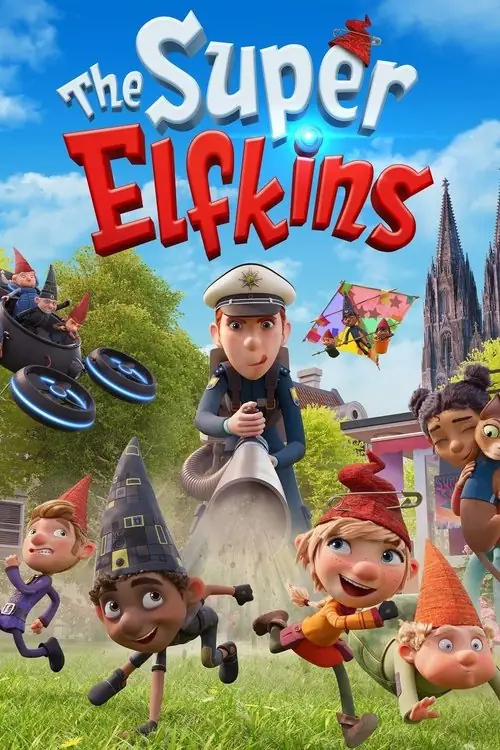
Picture this: you've spent your entire existence in a tiny woodland community where the biggest thrill is…
The Super Elfkins
Picture this: you've spent your entire existence in a tiny woodland community where the biggest thrill is…