Dream Note
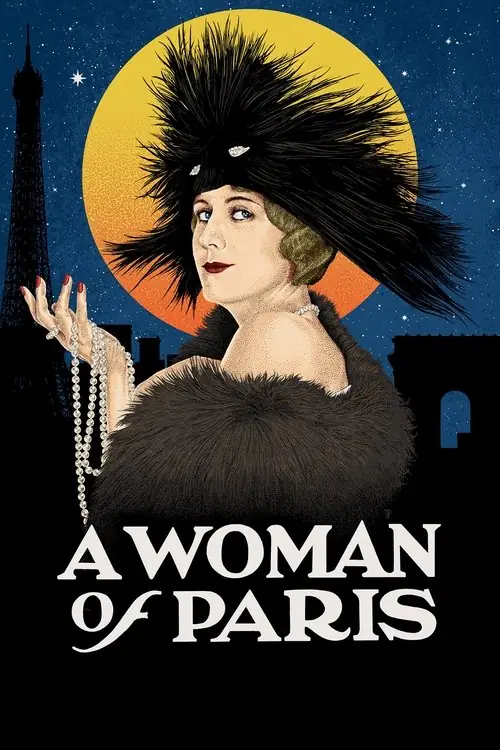
Oh, Charlie Chaplin, you magnificent genius. The man who made the world laugh with a cane and a bowler hat decided to write and direct a romantic drama, and the result is essentially the 1923 version of every Instagram influencer's existential crisis. Marie St. Clair is our leading lady, and she's sitting around waiting for her artist fiancé Jean to whisk her away to Paris, the city of love, croissants, and ridiculously overpriced studio apartments. But Jean, being the flaky artistic type, doesn't show up. So Marie does what any self-respecting woman of the 1920s would do: she says 'forget this noise,' hops on a train, and heads to Paris solo. Power move, honestly. Fast forward one year, and Marie has reinvented herself as the kept woman of Pierre Revel, a wealthy man whose primary attribute appears to be possessing a lot of money and very little personality. She's living the glamorous Parisian life – fancy dinners, beautiful clothes, probably attending salons where people discuss existentialism before it was even a thing. But then – BAM – she runs into Jean again by pure chance, because the universe apparently has a sick sense of humor and an unlimited budget for cosmic irony. Suddenly Marie is faced with THE classic dilemma: the comfortable, shimmering existence she's built with a man who treats her like a beautiful accessory, or the authentic, messy, complicated love she abandoned when she thought she'd been discarded. Chaplin crafted this film as a drama, stripping away the physical comedy that made him famous, and what emerges is a surprisingly sophisticated meditation on the difference between being kept and being cherished. The film is a quiet revelation about how easy it is to confuse luxury with happiness and how the most expensive things in life are often the least valuable. It's also a reminder that sometimes not getting what you think you want is the best thing that could ever happen to you.
Oh, Charlie Chaplin, you magnificent genius. The man who made the world laugh with a cane and a bowler hat decided to write and direct a romantic drama, and the result is essentially the 1923 version of every Instagram influencer's existential crisis. Marie St. Clair is our leading lady, and she's sitting around waiting for her artist fiancé Jean to whisk her away to Paris, the city of love, croissants, and ridiculously overpriced studio apartments. But Jean, being the flaky artistic type, doesn't show up. So Marie does what any self-respecting woman of the 1920s would do: she says 'forget this noise,' hops on a train, and heads to Paris solo. Power move, honestly. Fast forward one year, and Marie has reinvented herself as the kept woman of Pierre Revel, a wealthy man whose primary attribute appears to be possessing a lot of money and very little personality. She's living the glamorous Parisian life – fancy dinners, beautiful clothes, probably attending salons where people discuss existentialism before it was even a thing. But then – BAM – she runs into Jean again by pure chance, because the universe apparently has a sick sense of humor and an unlimited budget for cosmic irony. Suddenly Marie is faced with THE classic dilemma: the comfortable, shimmering existence she's built with a man who treats her like a beautiful accessory, or the authentic, messy, complicated love she abandoned when she thought she'd been discarded. Chaplin crafted this film as a drama, stripping away the physical comedy that made him famous, and what emerges is a surprisingly sophisticated meditation on the difference between being kept and being cherished. The film is a quiet revelation about how easy it is to confuse luxury with happiness and how the most expensive things in life are often the least valuable. It's also a reminder that sometimes not getting what you think you want is the best thing that could ever happen to you.
— Dreamer's log, recorded 2016 in the cloudsAdjacent Dreams in the Cloud
 Why Be Good?: Sexuality & Censorship in Early Cinema
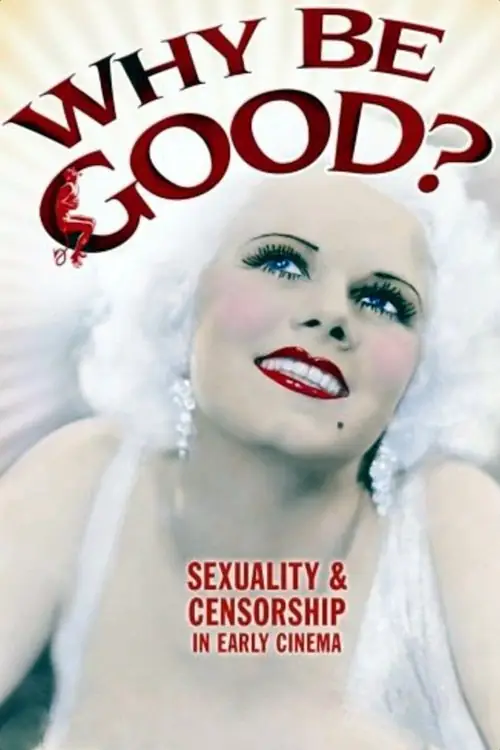
Picture this: Tinseltown before anybody thought to install a moral compass. That's right, before some suit in…
Why Be Good?: Sexuality & Censorship in Early Cinema
Picture this: Tinseltown before anybody thought to install a moral compass. That's right, before some suit in…
 Till We Meet Again
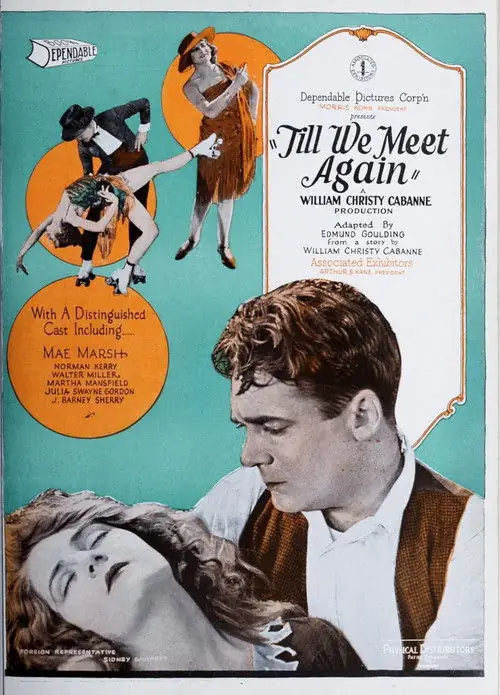
Let me paint you a picture of the most satisfying revenge setup this side of a telenovela finale. Arthur…
Till We Meet Again
Let me paint you a picture of the most satisfying revenge setup this side of a telenovela finale. Arthur…
 How to Be a Woman and Not Die in the Attempt
Carmen is a journalist, a mother of two, and currently on her third husband, which already tells you…
How to Be a Woman and Not Die in the Attempt
Carmen is a journalist, a mother of two, and currently on her third husband, which already tells you…
 The Super Elfkins
Picture this: you've spent your entire existence in a tiny woodland community where the biggest thrill is…
The Super Elfkins
Picture this: you've spent your entire existence in a tiny woodland community where the biggest thrill is…