Dream Note
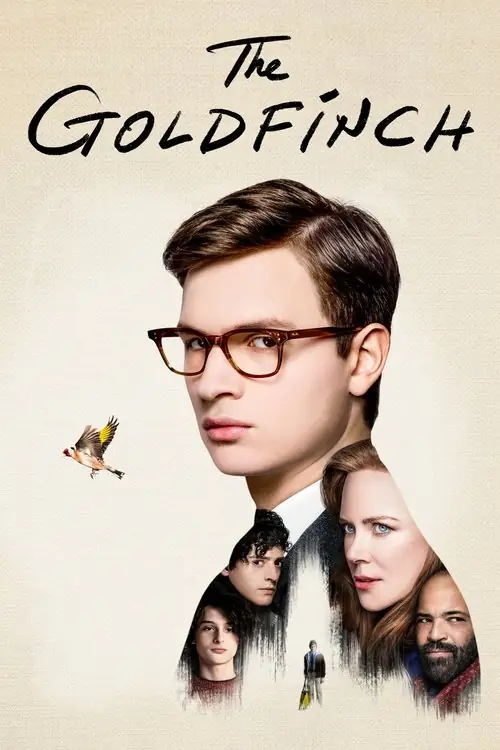
A young lad survives the catastrophic detonation at New York's premier art institution, but his mother isn't as fortunate. In the pandemonium following the blast, this traumatized boy does what any reasonable person would NOT do — he pockets a priceless Dutch masterwork depicting a tiny feathered creature and legs it out of there. Thus begins an odyssey that spirals from grief into criminality, from innocence into the shadowy demimonde of illicit art trafficking, all because a confused kid grabbed the wrong souvenir from the worst day of his existence. The stolen canvas — that diminutive avian portrait — becomes both anchor and albatross. It's the last material connection to his vanished mother, and simultaneously the emblem of his descent into a subterranean world where masterpieces are currency and morality is as faded as the varnish on a Renaissance altarpiece. You can't exactly fence a globally recognized treasure without attracting the sort of attention that makes your life exponentially more complicated, but the boy can't bring himself to relinquish the one object that still feels like home. The narrative shuttles between his adolescence among the affluent family who takes him in and his adulthood navigating progressively sketchier terrain, and the tonal whiplash is entirely the point. High society and criminal underworld aren't opposites here — they're neighboring rooms in the same haunted mansion, connected by secret doors that people politely pretend don't exist. The wealthy benefactors have their own cupboards of concealed shame, and the art smugglers have their own warped codes of honor. Donna Tartt's Pulitzer Prize-winning novel gets an adaptation that attempts to capture its sprawling melancholy, and the result is a film about how beauty can imprison you as effectively as any cage. That gilded bird on its perch represents everything — love, loss, guilt, identity, and the peculiar hell of being unable to let go of something that was never truly yours to carry. Profoundly sad, exquisitely crafted, and the strongest argument yet for enjoying paintings through a museum's protective glass rather than stuffing them under your mattress.
A young lad survives the catastrophic detonation at New York's premier art institution, but his mother isn't as fortunate. In the pandemonium following the blast, this traumatized boy does what any reasonable person would NOT do — he pockets a priceless Dutch masterwork depicting a tiny feathered creature and legs it out of there. Thus begins an odyssey that spirals from grief into criminality, from innocence into the shadowy demimonde of illicit art trafficking, all because a confused kid grabbed the wrong souvenir from the worst day of his existence. The stolen canvas — that diminutive avian portrait — becomes both anchor and albatross. It's the last material connection to his vanished mother, and simultaneously the emblem of his descent into a subterranean world where masterpieces are currency and morality is as faded as the varnish on a Renaissance altarpiece. You can't exactly fence a globally recognized treasure without attracting the sort of attention that makes your life exponentially more complicated, but the boy can't bring himself to relinquish the one object that still feels like home. The narrative shuttles between his adolescence among the affluent family who takes him in and his adulthood navigating progressively sketchier terrain, and the tonal whiplash is entirely the point. High society and criminal underworld aren't opposites here — they're neighboring rooms in the same haunted mansion, connected by secret doors that people politely pretend don't exist. The wealthy benefactors have their own cupboards of concealed shame, and the art smugglers have their own warped codes of honor. Donna Tartt's Pulitzer Prize-winning novel gets an adaptation that attempts to capture its sprawling melancholy, and the result is a film about how beauty can imprison you as effectively as any cage. That gilded bird on its perch represents everything — love, loss, guilt, identity, and the peculiar hell of being unable to let go of something that was never truly yours to carry. Profoundly sad, exquisitely crafted, and the strongest argument yet for enjoying paintings through a museum's protective glass rather than stuffing them under your mattress.
— Dreamer's log, recorded 1976 in the cloudsAdjacent Dreams in the Cloud
 Absolute Vow
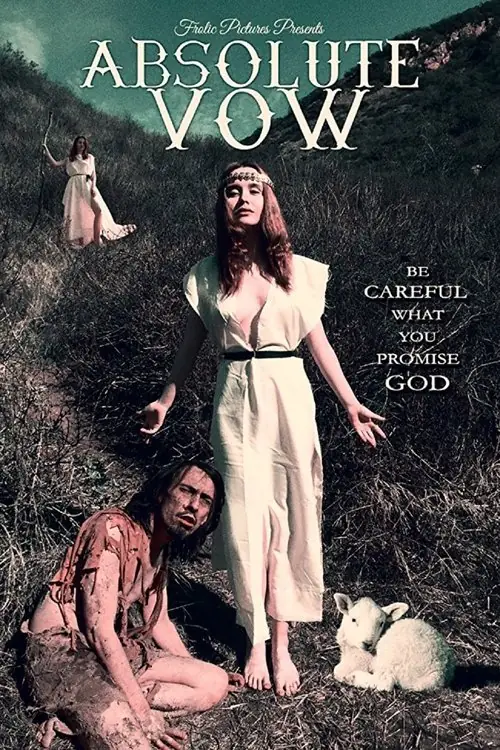
Welcome to 1000 BC, where the entertainment options were limited to 'contemplate mortality' and 'walk…
Absolute Vow
Welcome to 1000 BC, where the entertainment options were limited to 'contemplate mortality' and 'walk…
 Around the World in Eighty Ways
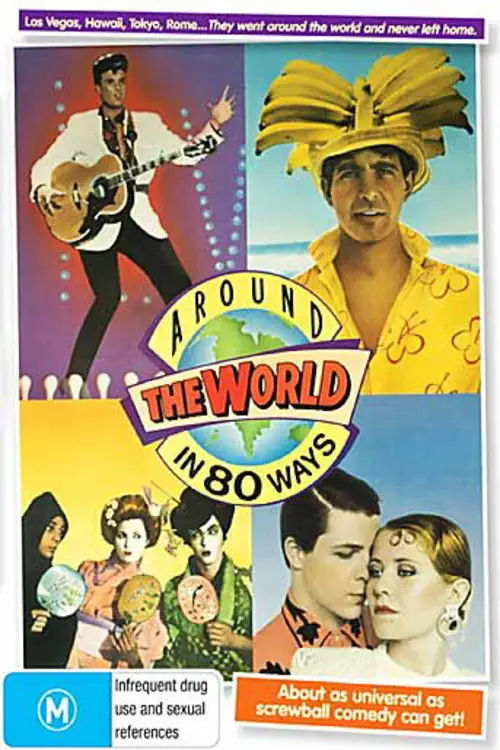
Mavis Davis has reached her breaking point, and frankly, it's a miracle it took this long. Her younger son…
Around the World in Eighty Ways
Mavis Davis has reached her breaking point, and frankly, it's a miracle it took this long. Her younger son…
 Lady Dallas
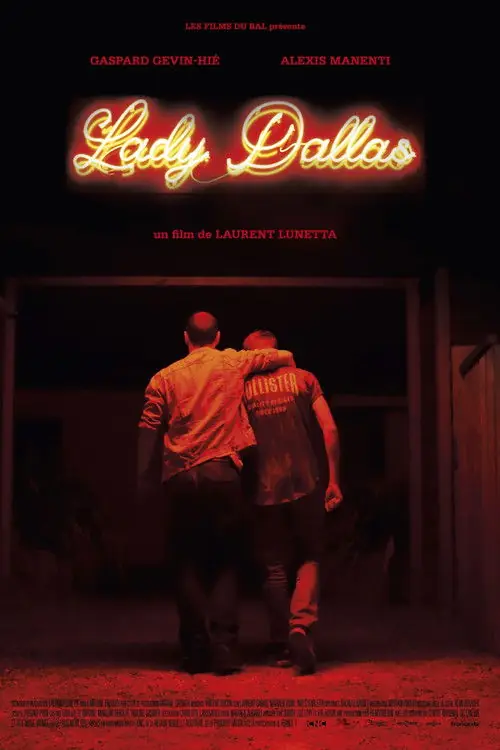
Somewhere in the sun-drenched rural expanses of southwestern France, where the lavender smells like money and…
Lady Dallas
Somewhere in the sun-drenched rural expanses of southwestern France, where the lavender smells like money and…
 Mickey 17
So you think your job sucks? You think your boss is demanding? Try explaining to Mickey Barnes — a gentleman…
Mickey 17
So you think your job sucks? You think your boss is demanding? Try explaining to Mickey Barnes — a gentleman…