Dream Note
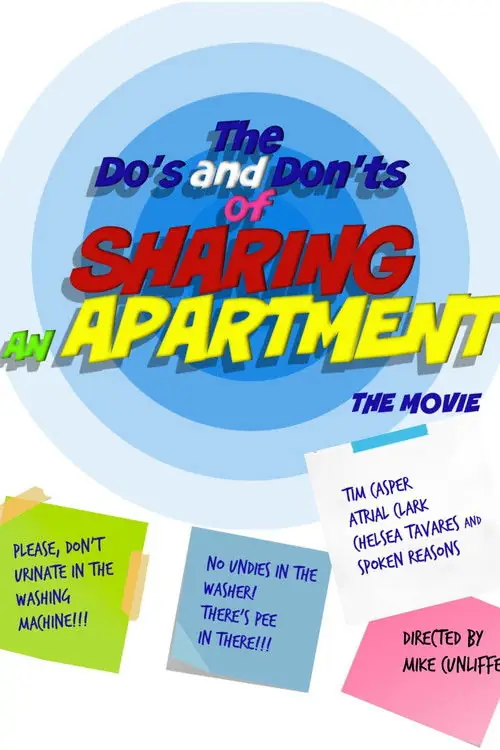
Moving out of your parents' place sounds like the ultimate liberation, doesn't it? No more curfews, no more being asked where you're going every time you touch the front door, no more having your laundry situation judged by someone who doesn't understand that 'the chair' is a perfectly valid organizational system. That's the dream our medical student protagonist is chasing when he decides to shack up with his best buddy. Freedom! Independence! Adulting on his own terms! Except — and this is where the universe's sense of humor really kicks in — his friend is aloof. Not just occasionally distant, but fundamentally, constitutionally, almost professionally detached. We're talking about a roommate who makes a statue look emotionally available. And suddenly, the grand experiment in autonomous living starts looking less like a victory lap and more like an endurance trial. The dishes pile up because neither of them has established dominance in the kitchen hierarchy. The bathroom becomes a Cold War negotiation zone. Personal space? That concept left the building the moment they signed the lease. What this film captures with excruciating accuracy is that cohabitation is basically a sociology experiment conducted without ethical oversight, and doing it with someone whose communication style ranges from 'cryptic nod' to 'silence' makes the whole thing exponentially more chaotic. The medical student thought he was leveling up in life, but instead he's discovering that leaving the nest isn't just about packing boxes and finding a place with reasonable rent — it's about learning that living with another human being requires patience, compromise, and the kind of emotional labor they definitely don't teach in medical school. It's a coming-of-age story where the villain isn't a person but the mundane reality that independence is complicated and your best friend might be an absolutely impossible roommate. Proceed with caution and maybe a chore chart.
Moving out of your parents' place sounds like the ultimate liberation, doesn't it? No more curfews, no more being asked where you're going every time you touch the front door, no more having your laundry situation judged by someone who doesn't understand that 'the chair' is a perfectly valid organizational system. That's the dream our medical student protagonist is chasing when he decides to shack up with his best buddy. Freedom! Independence! Adulting on his own terms! Except — and this is where the universe's sense of humor really kicks in — his friend is aloof. Not just occasionally distant, but fundamentally, constitutionally, almost professionally detached. We're talking about a roommate who makes a statue look emotionally available. And suddenly, the grand experiment in autonomous living starts looking less like a victory lap and more like an endurance trial. The dishes pile up because neither of them has established dominance in the kitchen hierarchy. The bathroom becomes a Cold War negotiation zone. Personal space? That concept left the building the moment they signed the lease. What this film captures with excruciating accuracy is that cohabitation is basically a sociology experiment conducted without ethical oversight, and doing it with someone whose communication style ranges from 'cryptic nod' to 'silence' makes the whole thing exponentially more chaotic. The medical student thought he was leveling up in life, but instead he's discovering that leaving the nest isn't just about packing boxes and finding a place with reasonable rent — it's about learning that living with another human being requires patience, compromise, and the kind of emotional labor they definitely don't teach in medical school. It's a coming-of-age story where the villain isn't a person but the mundane reality that independence is complicated and your best friend might be an absolutely impossible roommate. Proceed with caution and maybe a chore chart.
— Dreamer's log, recorded 2004 in the cloudsAdjacent Dreams in the Cloud
 Absolute Vow
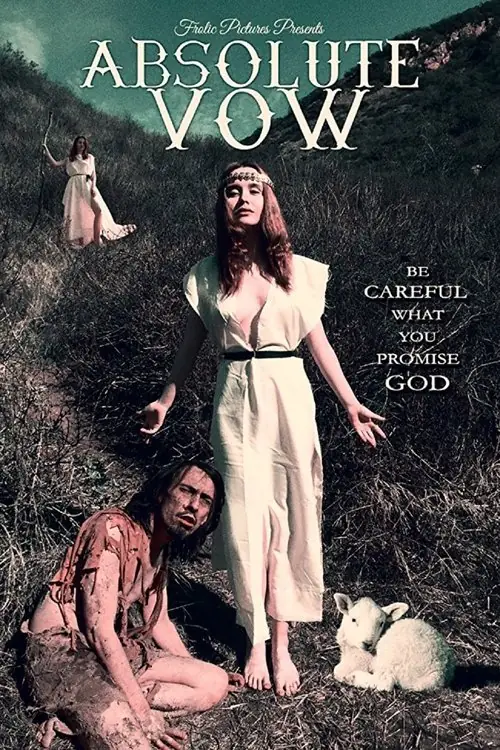
Welcome to 1000 BC, where the entertainment options were limited to 'contemplate mortality' and 'walk…
Absolute Vow
Welcome to 1000 BC, where the entertainment options were limited to 'contemplate mortality' and 'walk…
 Around the World in Eighty Ways
Mavis Davis has reached her breaking point, and frankly, it's a miracle it took this long. Her younger son…
Around the World in Eighty Ways
Mavis Davis has reached her breaking point, and frankly, it's a miracle it took this long. Her younger son…
 Lady Dallas
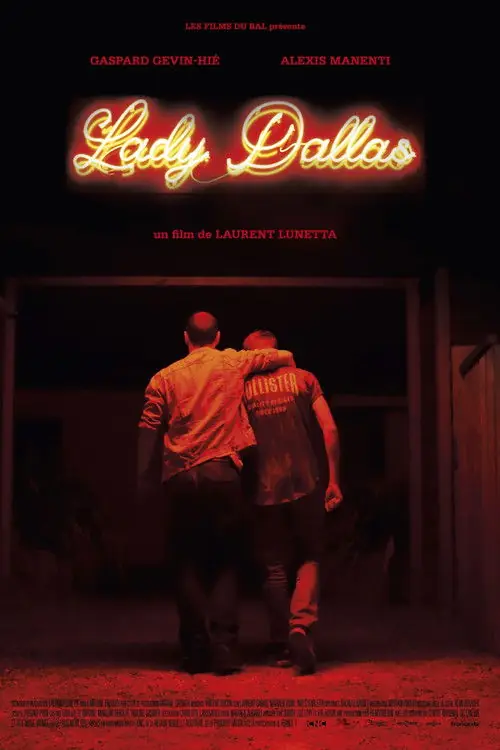
Somewhere in the sun-drenched rural expanses of southwestern France, where the lavender smells like money and…
Lady Dallas
Somewhere in the sun-drenched rural expanses of southwestern France, where the lavender smells like money and…
 Mickey 17
So you think your job sucks? You think your boss is demanding? Try explaining to Mickey Barnes — a gentleman…
Mickey 17
So you think your job sucks? You think your boss is demanding? Try explaining to Mickey Barnes — a gentleman…