Dream Note
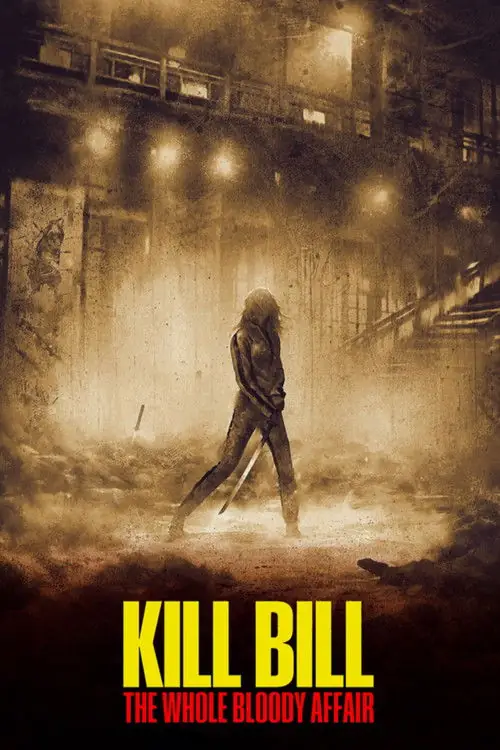
Quentin Tarantino looked at the concept of revenge — traditionally depicted as a dish best served cold — and said, 'What if we serve it at approximately the temperature of the surface of the sun, with a side of severed limbs and a playlist that would make your cool older cousin weep with envy?' This combined edition takes two already-ferocious films and welds them together into an unbroken saga of retribution so balletically violent that it circles right past disturbing and arrives at something approaching choreographic art. The Bride — a character who deserves her own wing in the Fictional Badass Hall of Fame — wakes from a multi-year coma (imagine the hospital bill on that stay) to discover that the people she trusted most put bullets in her skull and left her for dead at what was supposed to be the happiest day of her existence. What follows isn't merely payback; it's a meticulously curated world tour of creative damage delivery. From the neon-drenched bloodbath in Tokyo to the sunbaked claustrophobia of a Texas trailer, every setting becomes a stage for The Bride's methodical dismantling of the Deadly Viper Assassination Squad — each member dispatched with the kind of personalized attention that says, 'I didn't just remember what you did; I've been rehearsing this moment in my head for four years.' And looming at the end of this crimson road is Bill himself — mentor, lover, architect of her destruction — a villain so charmingly erudite that you almost forget he ordered the execution of a pregnant woman. Tarantino's dialogue, as always, operates like a pressure cooker: long, winding, deceptively casual conversations that suddenly explode into shocking violence before settling back into bizarrely philosophical ruminations about comic books or the comparative merits of various martial arts cinema. The Whole Bloody Affair isn't just the definitive version — it's a thesis statement on the genre itself, simultaneously celebrating and deconstructing every trope it deploys, all while wearing the coolest yellow tracksuit in cinematic history.
Quentin Tarantino looked at the concept of revenge — traditionally depicted as a dish best served cold — and said, 'What if we serve it at approximately the temperature of the surface of the sun, with a side of severed limbs and a playlist that would make your cool older cousin weep with envy?' This combined edition takes two already-ferocious films and welds them together into an unbroken saga of retribution so balletically violent that it circles right past disturbing and arrives at something approaching choreographic art. The Bride — a character who deserves her own wing in the Fictional Badass Hall of Fame — wakes from a multi-year coma (imagine the hospital bill on that stay) to discover that the people she trusted most put bullets in her skull and left her for dead at what was supposed to be the happiest day of her existence. What follows isn't merely payback; it's a meticulously curated world tour of creative damage delivery. From the neon-drenched bloodbath in Tokyo to the sunbaked claustrophobia of a Texas trailer, every setting becomes a stage for The Bride's methodical dismantling of the Deadly Viper Assassination Squad — each member dispatched with the kind of personalized attention that says, 'I didn't just remember what you did; I've been rehearsing this moment in my head for four years.' And looming at the end of this crimson road is Bill himself — mentor, lover, architect of her destruction — a villain so charmingly erudite that you almost forget he ordered the execution of a pregnant woman. Tarantino's dialogue, as always, operates like a pressure cooker: long, winding, deceptively casual conversations that suddenly explode into shocking violence before settling back into bizarrely philosophical ruminations about comic books or the comparative merits of various martial arts cinema. The Whole Bloody Affair isn't just the definitive version — it's a thesis statement on the genre itself, simultaneously celebrating and deconstructing every trope it deploys, all while wearing the coolest yellow tracksuit in cinematic history.
— Dreamer's log, recorded 1995 in the cloudsAdjacent Dreams in the Cloud
 Los temibles
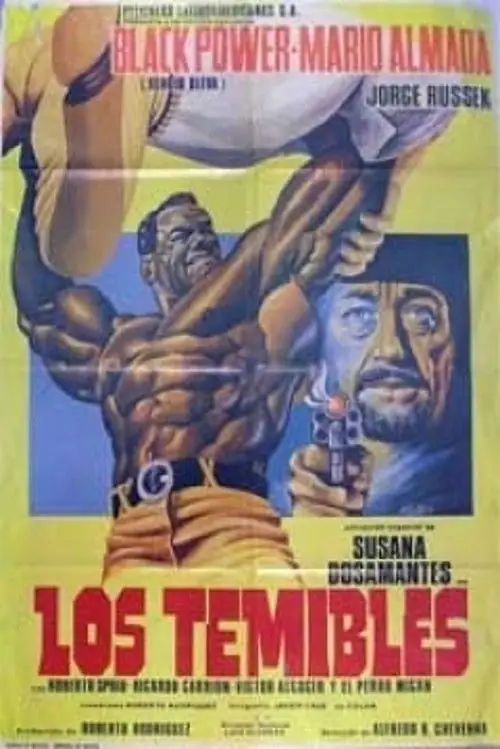
A wounded bank robber and his partner duck into an isolated farm like two cats hiding under a porch after…
Los temibles
A wounded bank robber and his partner duck into an isolated farm like two cats hiding under a porch after…
 Honey and Clover: A Recipe for Disaster
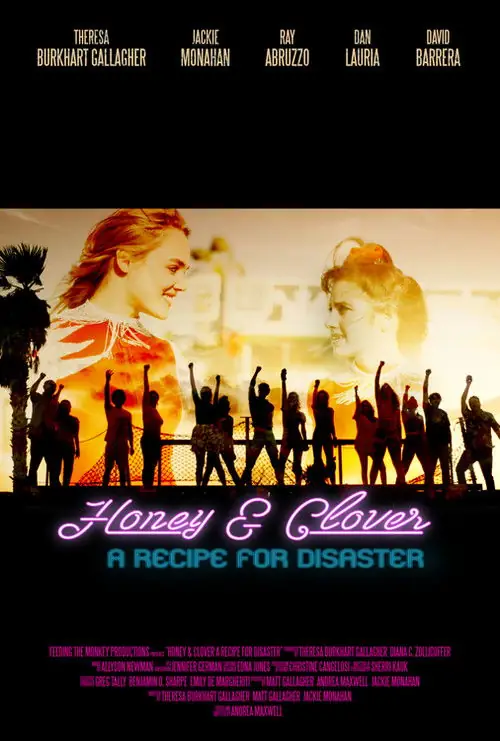
Remember those adorable moppets who dominated your television screen when you were small, the ones who could…
Honey and Clover: A Recipe for Disaster
Remember those adorable moppets who dominated your television screen when you were small, the ones who could…
 Ariyathe Ishtamai
Okay, look, I'm going to level with you — the promotional text for this motion picture reads like it was…
Ariyathe Ishtamai
Okay, look, I'm going to level with you — the promotional text for this motion picture reads like it was…
 Companion
So your squad decides that the perfect group activity is retreating to an isolated waterfront mansion for…
Companion
So your squad decides that the perfect group activity is retreating to an isolated waterfront mansion for…