Dream Note
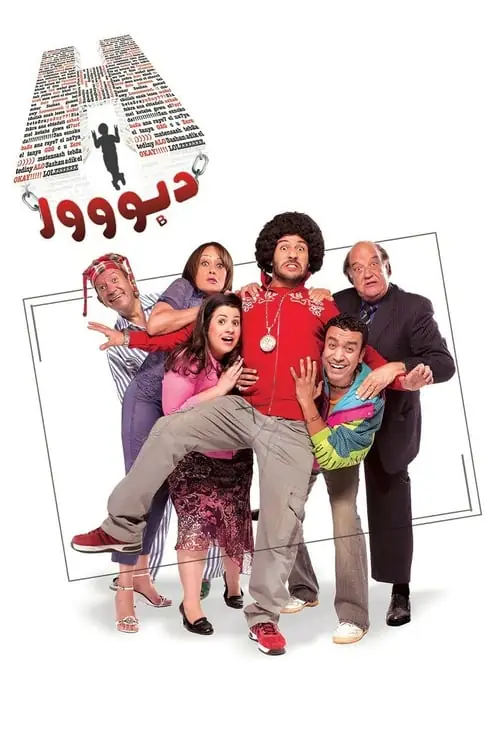
Ladies and gentlemen, allow me to introduce you to Haitham Daboor — a young man of considerable privilege whose primary concerns in life include staying current with fashion trends and maintaining a rotation of romantic entanglements impressive enough to make a revolving door jealous. This is a fellow who has never worried about where his next meal is coming from, because the only question at his dinner table is whether the imported cheese pairs well with the imported wine. He is, to put it charitably, a man whose priorities are arranged in approximately the reverse order of what any reasonable society would recommend. But then — because every satire worth its salt needs a catalytic kick in the narrative pants — Haitham's father gets thrown in the clink on charges that are faker than a three-dollar bill. Suddenly our boy finds himself confronting a reality that no amount of designer labels can fix. The comfortable bubble of oblivious wealth has been punctured, and the air is rushing out with the velocity of a punctured whoopee cushion at a state dinner. What follows is a sharp-edged Egyptian satire that uses Haitham's precipitous fall from comfortable ignorance as a lens to examine the struggles of the Egyptian working class — you know, the people who actually keep the country functioning while people like pre-crisis Haitham debate the merits of Italian versus French leather. The film has the audacity to be genuinely funny while also being genuinely angry, a combination that requires the tonal precision of a surgeon performing stand-up comedy during an operation. Ahmed Mekki inhabits the role with the kind of commitment that transforms what could have been a one-note joke into a genuine character arc. Haitham's transformation from vapid rich kid to someone who actually understands the world beyond his closet isn't handled with the subtlety of a feather — this is broad, bruising satire — but it's effective precisely because it refuses to pull its punches. The film essentially holds up a funhouse mirror to Egyptian society and dares you not to laugh at the distorted reflection, even when the distortion reveals something uncomfortable about the shape of things.
Ladies and gentlemen, allow me to introduce you to Haitham Daboor — a young man of considerable privilege whose primary concerns in life include staying current with fashion trends and maintaining a rotation of romantic entanglements impressive enough to make a revolving door jealous. This is a fellow who has never worried about where his next meal is coming from, because the only question at his dinner table is whether the imported cheese pairs well with the imported wine. He is, to put it charitably, a man whose priorities are arranged in approximately the reverse order of what any reasonable society would recommend. But then — because every satire worth its salt needs a catalytic kick in the narrative pants — Haitham's father gets thrown in the clink on charges that are faker than a three-dollar bill. Suddenly our boy finds himself confronting a reality that no amount of designer labels can fix. The comfortable bubble of oblivious wealth has been punctured, and the air is rushing out with the velocity of a punctured whoopee cushion at a state dinner. What follows is a sharp-edged Egyptian satire that uses Haitham's precipitous fall from comfortable ignorance as a lens to examine the struggles of the Egyptian working class — you know, the people who actually keep the country functioning while people like pre-crisis Haitham debate the merits of Italian versus French leather. The film has the audacity to be genuinely funny while also being genuinely angry, a combination that requires the tonal precision of a surgeon performing stand-up comedy during an operation. Ahmed Mekki inhabits the role with the kind of commitment that transforms what could have been a one-note joke into a genuine character arc. Haitham's transformation from vapid rich kid to someone who actually understands the world beyond his closet isn't handled with the subtlety of a feather — this is broad, bruising satire — but it's effective precisely because it refuses to pull its punches. The film essentially holds up a funhouse mirror to Egyptian society and dares you not to laugh at the distorted reflection, even when the distortion reveals something uncomfortable about the shape of things.
— Dreamer's log, recorded 2025 in the cloudsAdjacent Dreams in the Cloud
 Why Be Good?: Sexuality & Censorship in Early Cinema
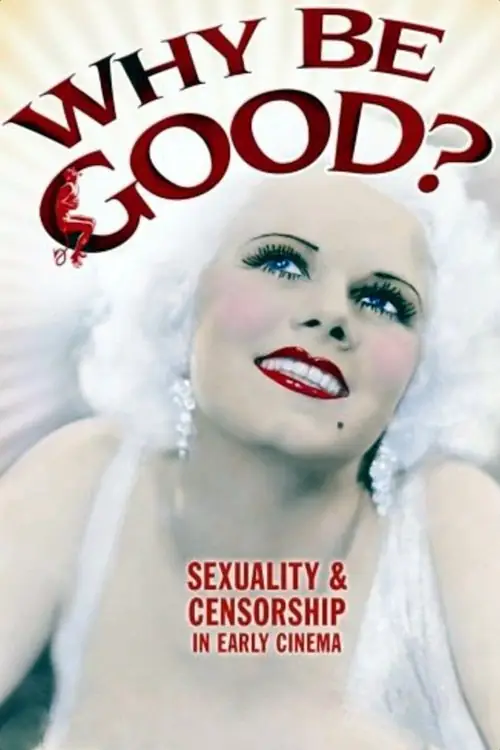
Picture this: Tinseltown before anybody thought to install a moral compass. That's right, before some suit in…
Why Be Good?: Sexuality & Censorship in Early Cinema
Picture this: Tinseltown before anybody thought to install a moral compass. That's right, before some suit in…
 Absolute Vow
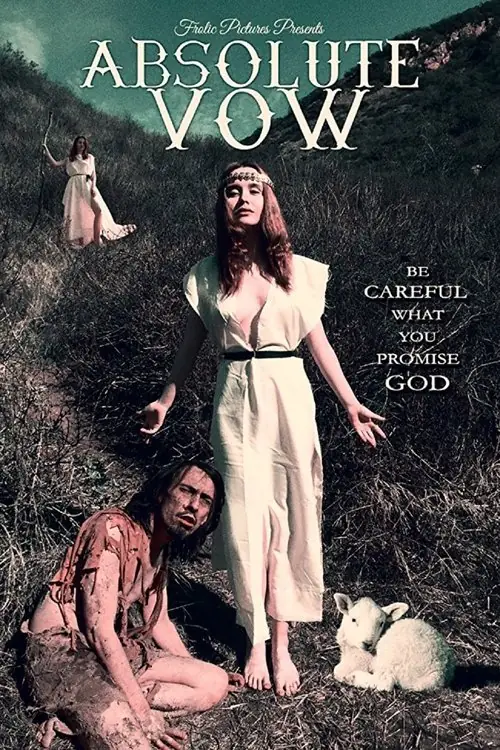
Welcome to 1000 BC, where the entertainment options were limited to 'contemplate mortality' and 'walk…
Absolute Vow
Welcome to 1000 BC, where the entertainment options were limited to 'contemplate mortality' and 'walk…
 Ruby Herring Mysteries: Her Last Breath
Ruby Herring is back, and she's doing that thing where she treats crime scenes like they're her personal…
Ruby Herring Mysteries: Her Last Breath
Ruby Herring is back, and she's doing that thing where she treats crime scenes like they're her personal…
 Till We Meet Again
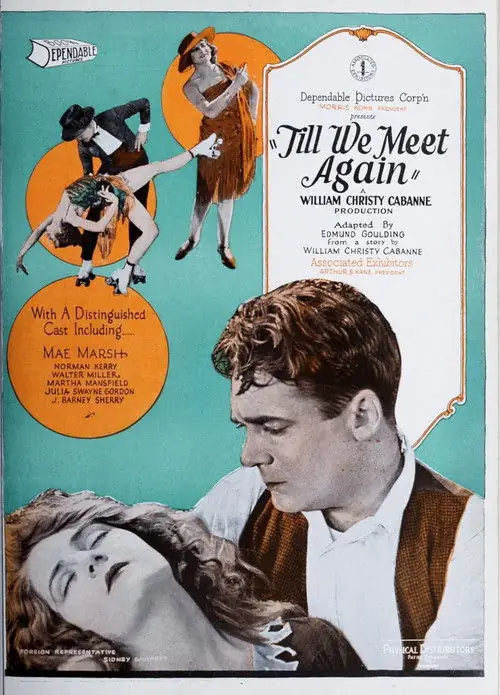
Let me paint you a picture of the most satisfying revenge setup this side of a telenovela finale. Arthur…
Till We Meet Again
Let me paint you a picture of the most satisfying revenge setup this side of a telenovela finale. Arthur…