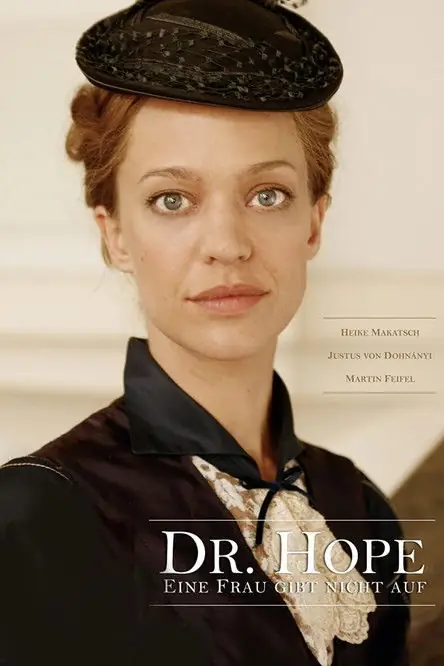
Dream Note
Let me transport you to late nineteenth-century Germany, a time and place where the very notion of a woman practicing medicine was considered roughly as plausible as a horse filing taxes. Hope Bridges Adams-Lehmann didn't get the memo that her gender disqualified her from professional ambition, or perhaps she got the memo and used it to line her medical bag. This biographical portrait chronicles the extraordinary trajectory of a woman who became the first female physician in the nation while simultaneously helping spearhead the women's liberation movement, because apparently achieving one impossible thing wasn't sufficient for her boundless appetite for making history. The film immerses us in an era when the medical establishment treated women the way a country club treats someone who arrives in sweatpants — with barely concealed contempt and an insistence that they simply don't belong. Every patient Hope treats is a quiet act of defiance. Every diploma she earns is a brick thrown through the glass ceiling of institutional prejudice. And every colleague who dismisses her competence is forced, eventually, to reckon with the uncomfortable truth that talent doesn't care about chromosomes. But what elevates this beyond standard inspirational biography territory is its unflinching look at the personal cost of being a pioneer. Hope isn't just fighting for her own career — she's fighting for the fundamental principle that half the human race deserves access to healthcare provided by someone who actually understands their physiology. The male doctors of the era apparently found this concept so threatening that they probably would have preferred consulting a magic eight ball over admitting a woman might know something about the human body. The women's liberation thread weaves through the narrative like a persistent heartbeat, reminding us that medical access and political representation were always intertwined struggles. You can't heal a population that's legally prohibited from fully participating in society, and you can't achieve equality without the economic independence that a profession provides. Hope understood this intersection intuitively, and the film honors her legacy by showing us both the triumphs and the toll. Stirring, infuriating, and essential viewing for anyone who has ever been told they couldn't do something because of who they are.
Let me transport you to late nineteenth-century Germany, a time and place where the very notion of a woman practicing medicine was considered roughly as plausible as a horse filing taxes. Hope Bridges Adams-Lehmann didn't get the memo that her gender disqualified her from professional ambition, or perhaps she got the memo and used it to line her medical bag. This biographical portrait chronicles the extraordinary trajectory of a woman who became the first female physician in the nation while simultaneously helping spearhead the women's liberation movement, because apparently achieving one impossible thing wasn't sufficient for her boundless appetite for making history. The film immerses us in an era when the medical establishment treated women the way a country club treats someone who arrives in sweatpants — with barely concealed contempt and an insistence that they simply don't belong. Every patient Hope treats is a quiet act of defiance. Every diploma she earns is a brick thrown through the glass ceiling of institutional prejudice. And every colleague who dismisses her competence is forced, eventually, to reckon with the uncomfortable truth that talent doesn't care about chromosomes. But what elevates this beyond standard inspirational biography territory is its unflinching look at the personal cost of being a pioneer. Hope isn't just fighting for her own career — she's fighting for the fundamental principle that half the human race deserves access to healthcare provided by someone who actually understands their physiology. The male doctors of the era apparently found this concept so threatening that they probably would have preferred consulting a magic eight ball over admitting a woman might know something about the human body. The women's liberation thread weaves through the narrative like a persistent heartbeat, reminding us that medical access and political representation were always intertwined struggles. You can't heal a population that's legally prohibited from fully participating in society, and you can't achieve equality without the economic independence that a profession provides. Hope understood this intersection intuitively, and the film honors her legacy by showing us both the triumphs and the toll. Stirring, infuriating, and essential viewing for anyone who has ever been told they couldn't do something because of who they are.
— Dreamer's log, recorded 1958 in the cloudsAdjacent Dreams in the Cloud
 Go Kart Go
Behold the primal drama of childhood competition, where the stakes are nothing and the emotions are…
Go Kart Go
Behold the primal drama of childhood competition, where the stakes are nothing and the emotions are…
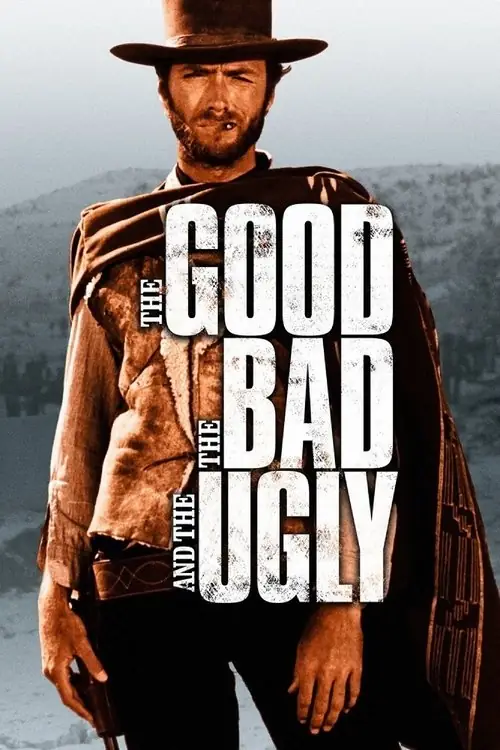 The Good, the Bad and the Ugly
Ladies and gentlemen, I present the undisputed heavyweight champion of the western genre, a film so iconic…
The Good, the Bad and the Ugly
Ladies and gentlemen, I present the undisputed heavyweight champion of the western genre, a film so iconic…
 Millonario a go-go
Jibaro Machuchal, a man whose name alone sounds like it deserves its own theme music, inherits a piece of…
Millonario a go-go
Jibaro Machuchal, a man whose name alone sounds like it deserves its own theme music, inherits a piece of…
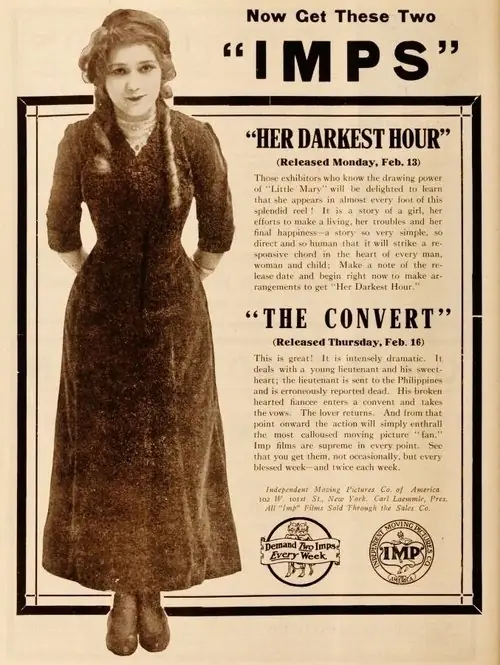 The Convert
Ladies and gentlemen, allow me to present what might be the most catastrophically awkward romantic…
The Convert
Ladies and gentlemen, allow me to present what might be the most catastrophically awkward romantic…